Uluṟu Photography Workshop 2027 (Red Centre, NT)
A premium small-group Red Centre photography workshop, astro-first, planned around the new-moon Milky Way window, with sunrise, sunset and twilight desert light woven through every session, hands-on field tuition and daily editing. Maximum four participants.
Leave with single and tracked Milky Way images, a clean twilight blending technique, and a Lightroom + Photoshop workflow you can repeat on every desert shoot you do after this.
Limited to four participants. Priority-list members are offered seats before any public release. To lock a seat 100%, email info@dylanknight.com.au.
Who this is for
- Photographers who want Uluṟu + Kata Tjuṯa done properly — not tourist snapshots
- Anyone chasing a clean Milky Way over the Red Centre under dark skies
- Beginners wanting structure, and advanced shooters wanting real refinement
- People who want individual attention in a small, focused group of four
Not the right fit if…
- You want a guided sightseeing tour rather than active instruction
- You expect guaranteed astro every night regardless of cloud
- You'd rather not spend part of each day learning to edit your files
What you'll shoot
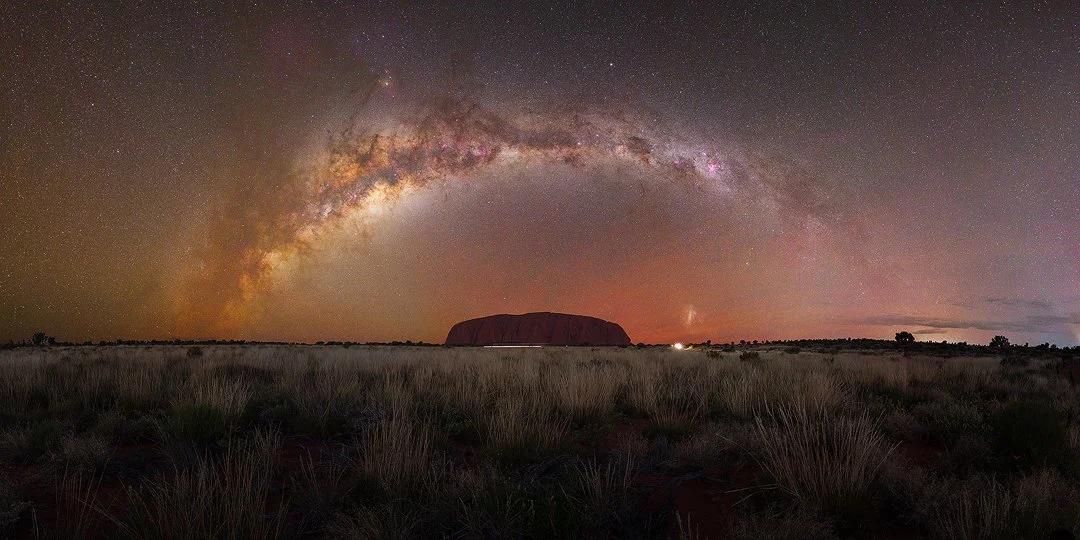
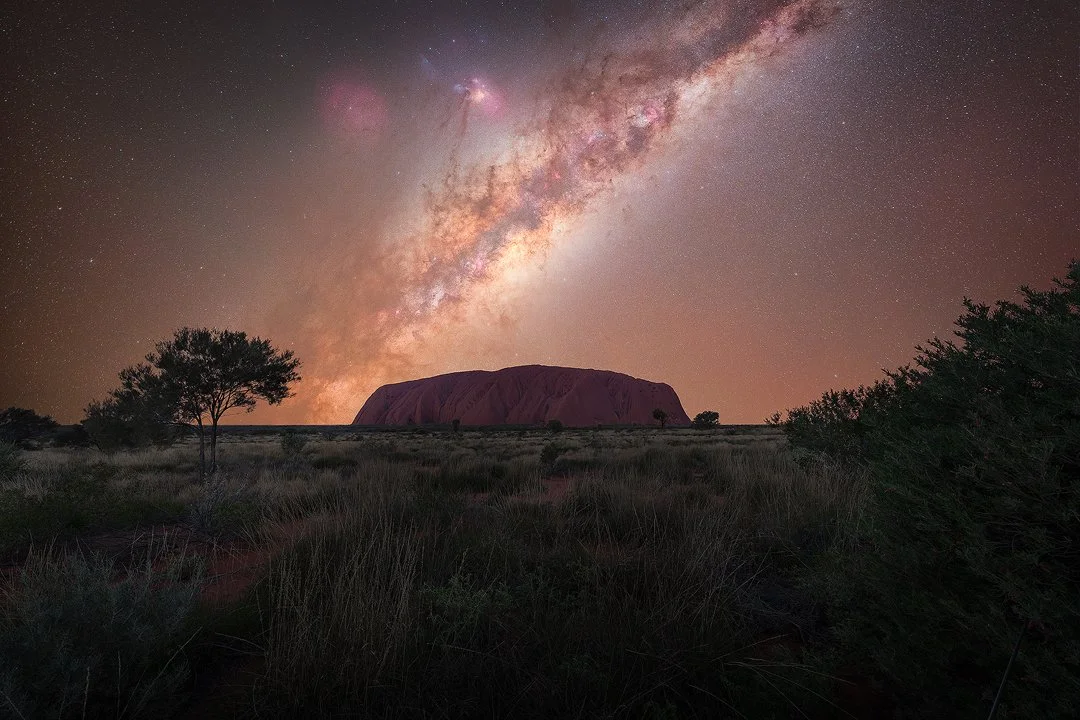
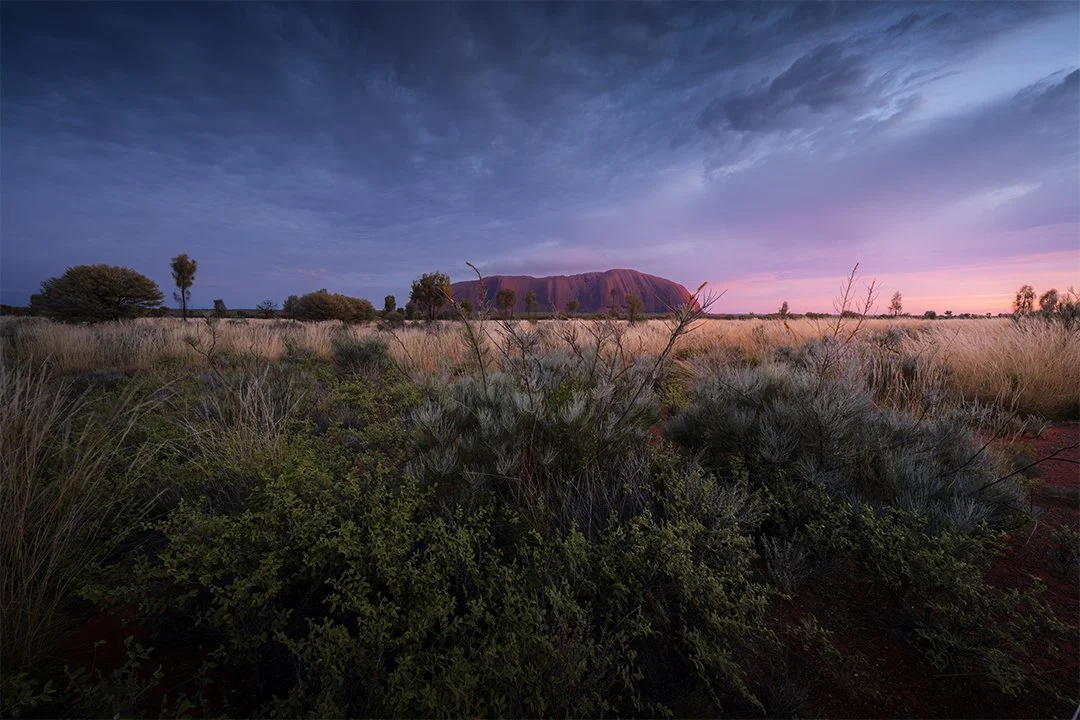
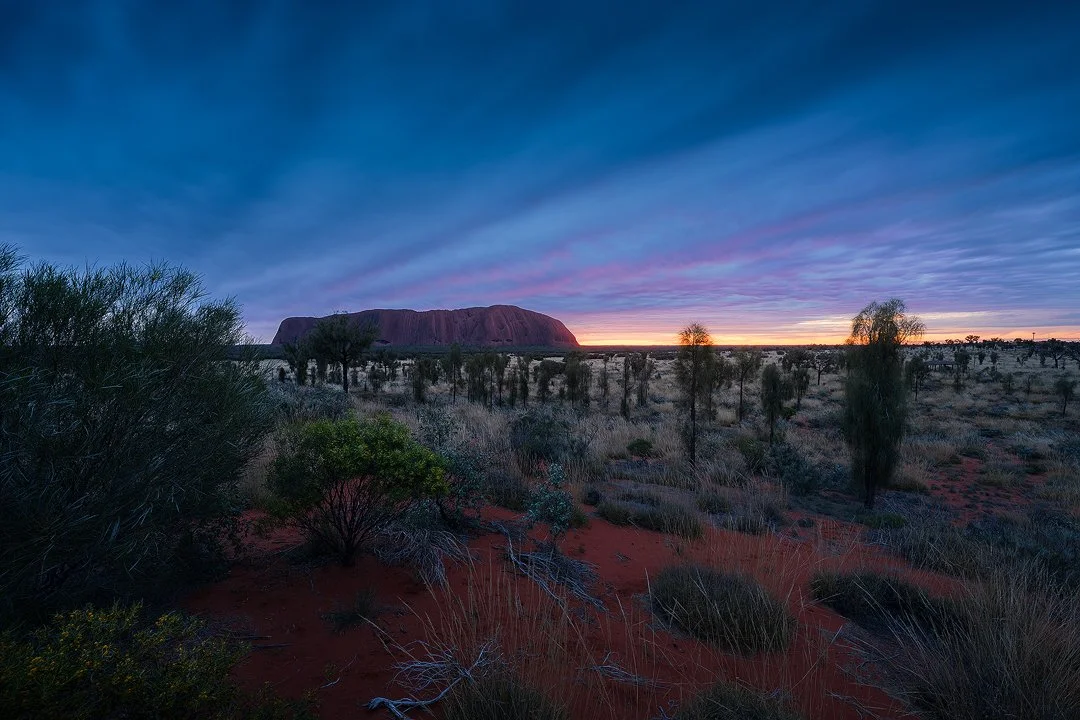
- Uluṟu: sunrise glow, side-light textures, silhouettes, twilight colour
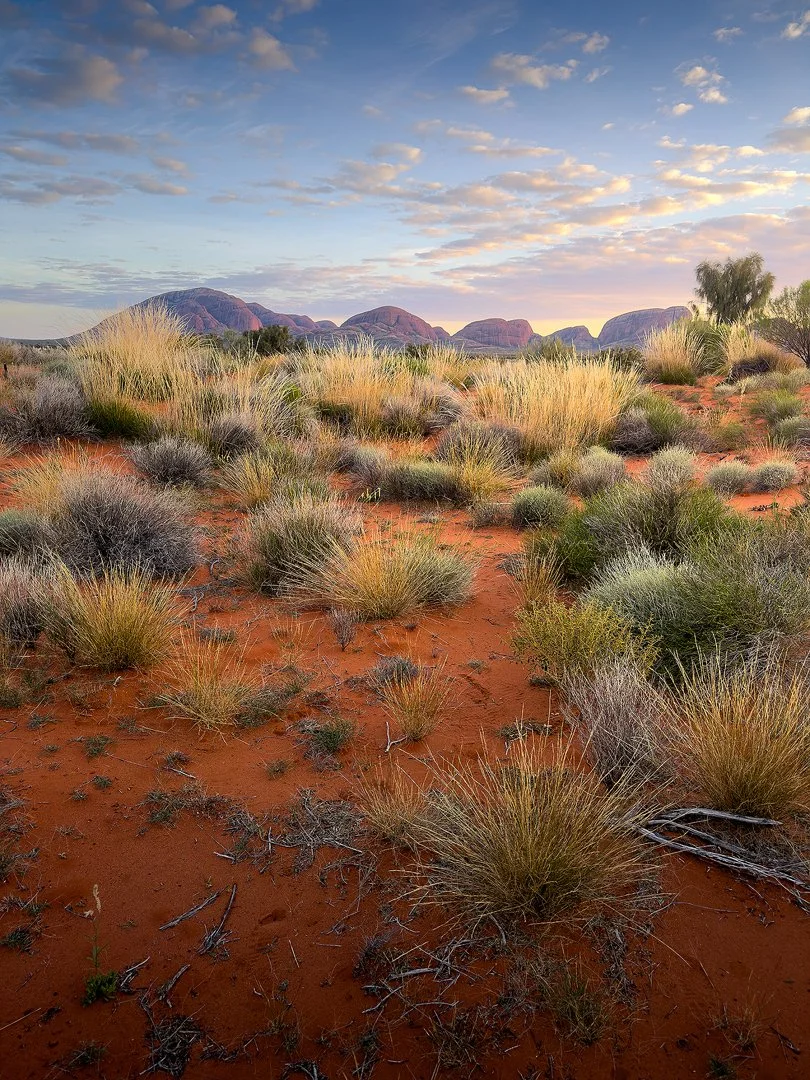
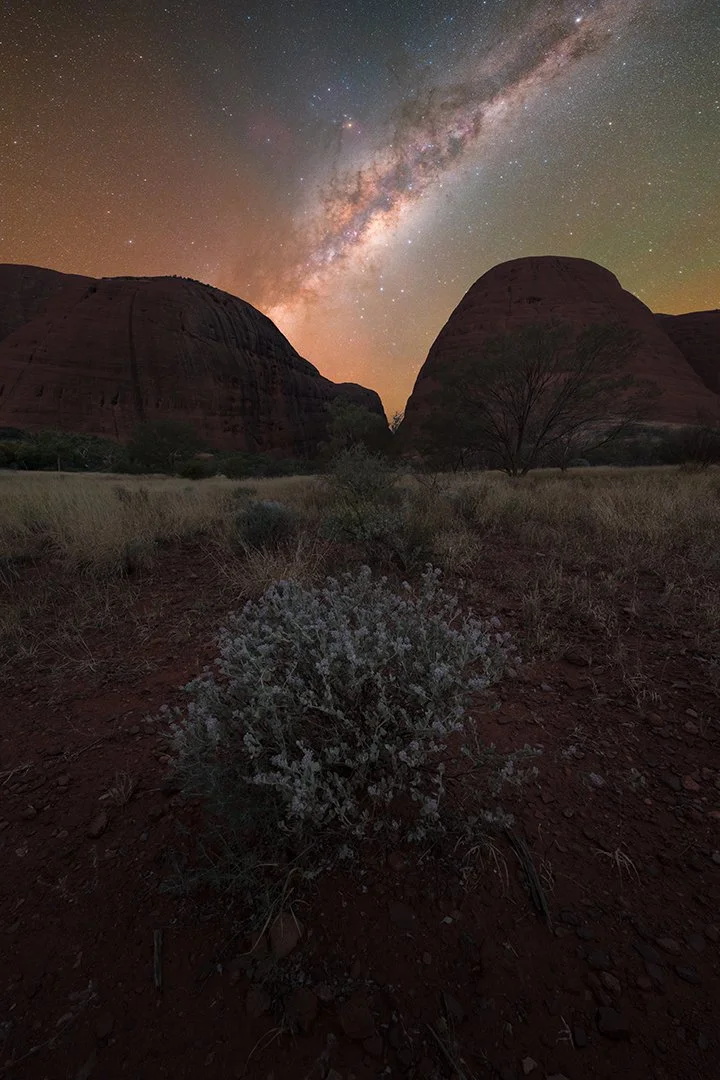
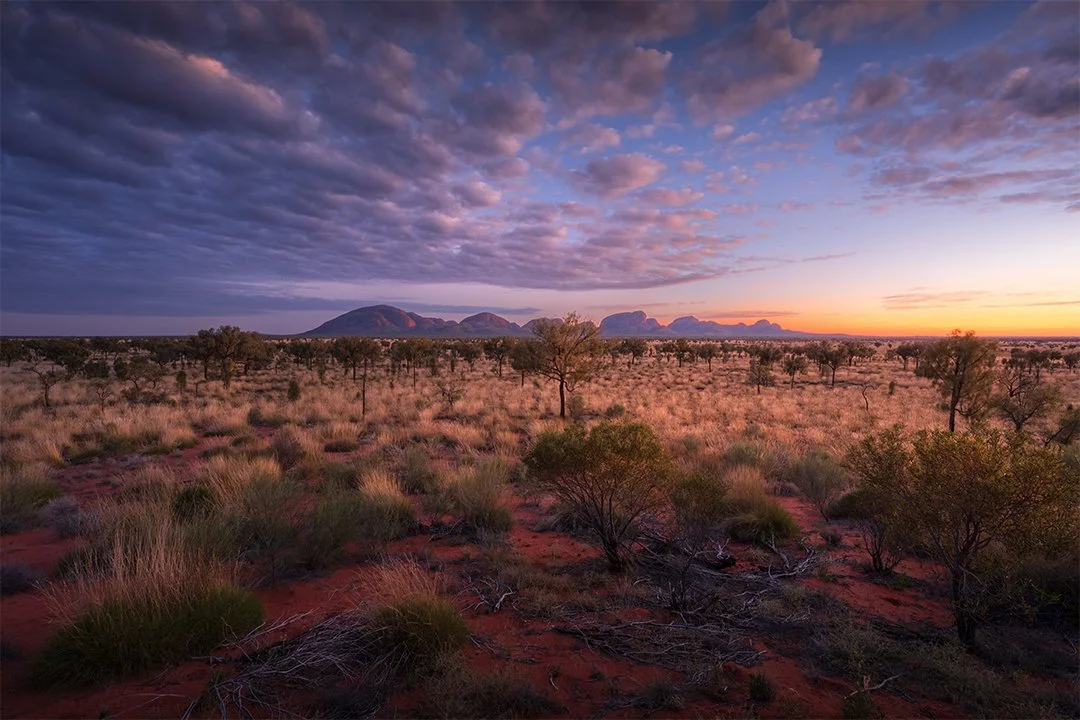
- Kata Tjuṯa: layered domes, wide landscapes, long-lens abstracts
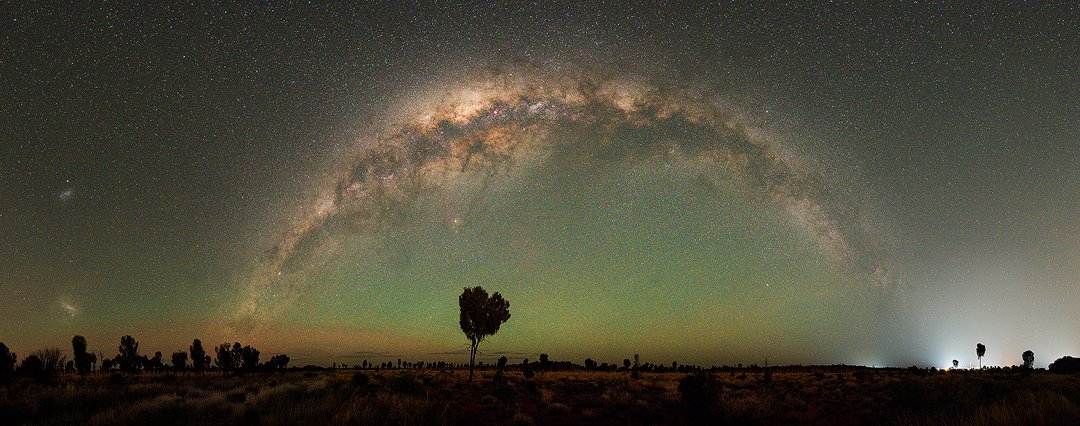
- Milky Way: single and tracked images from dark-sky locations
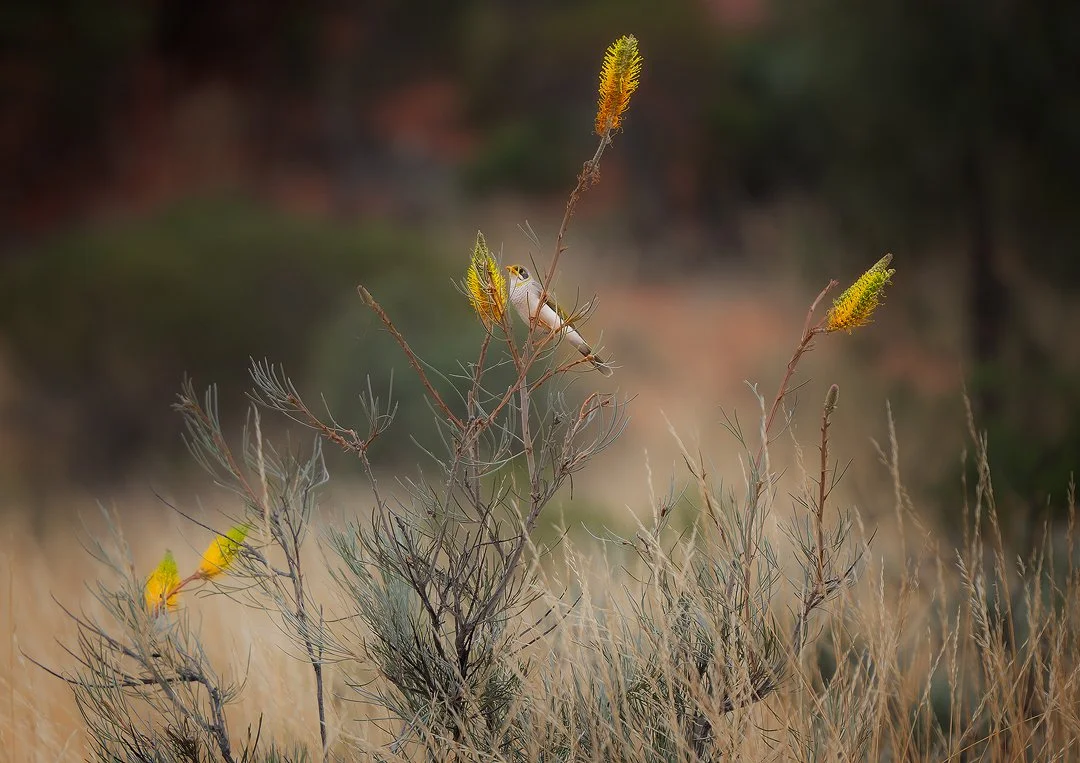
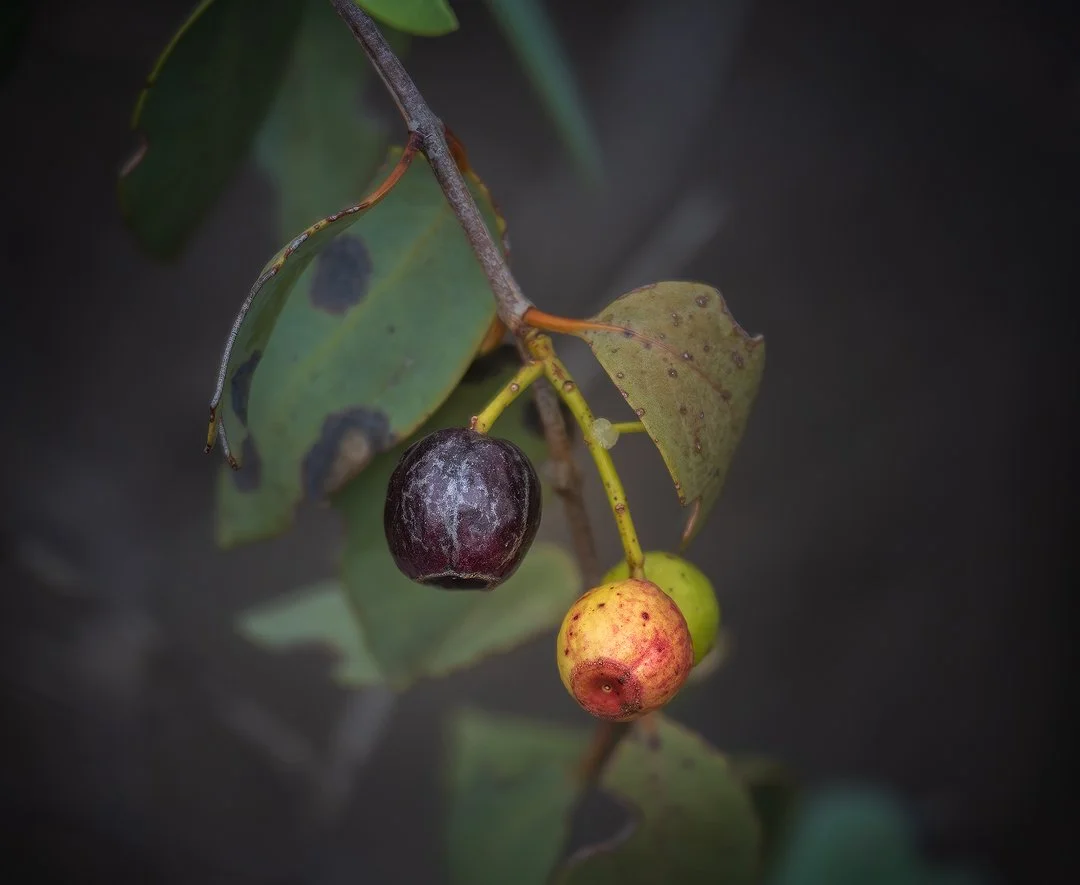
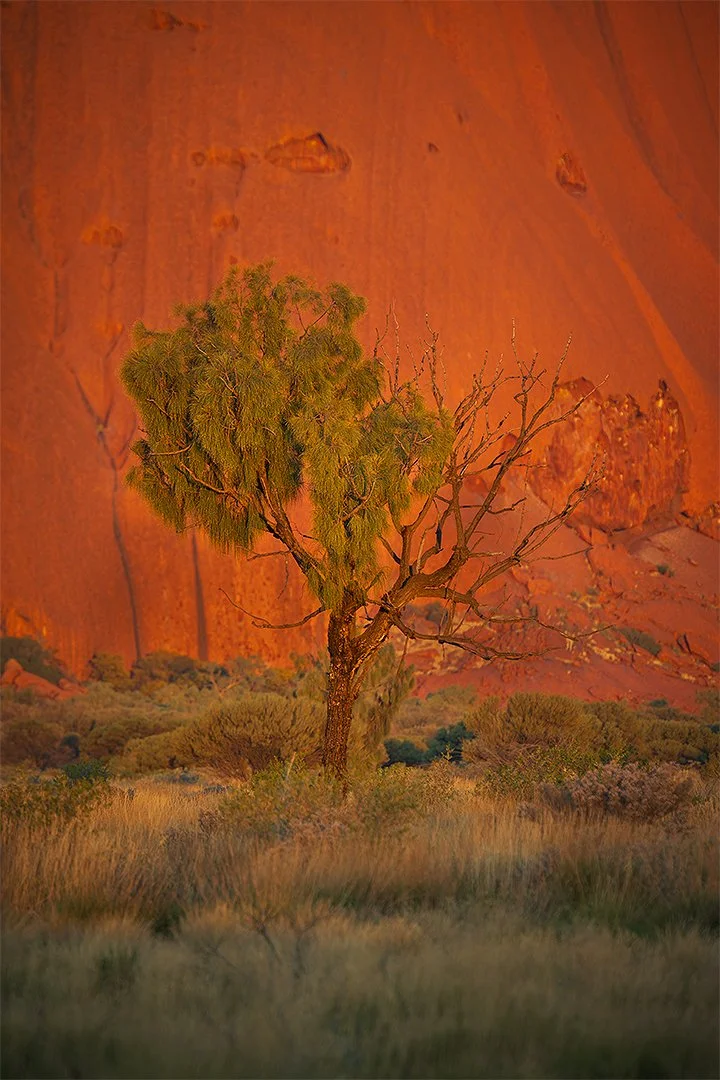
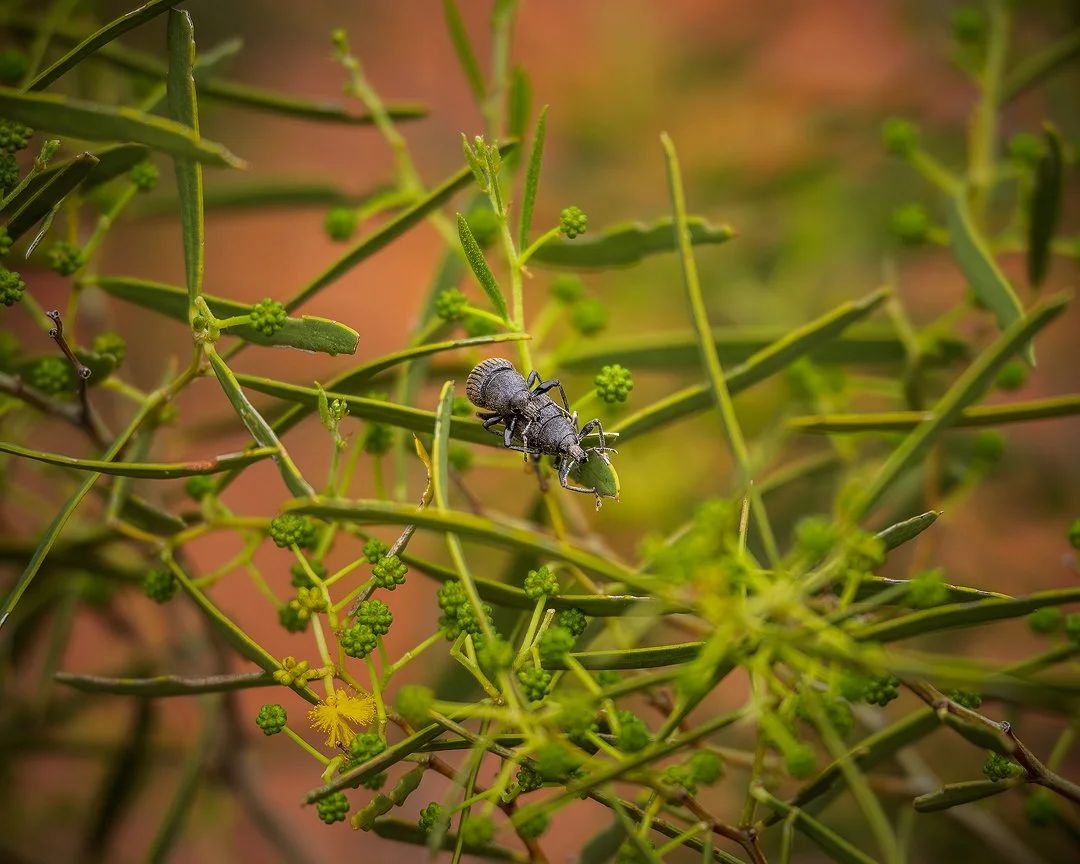
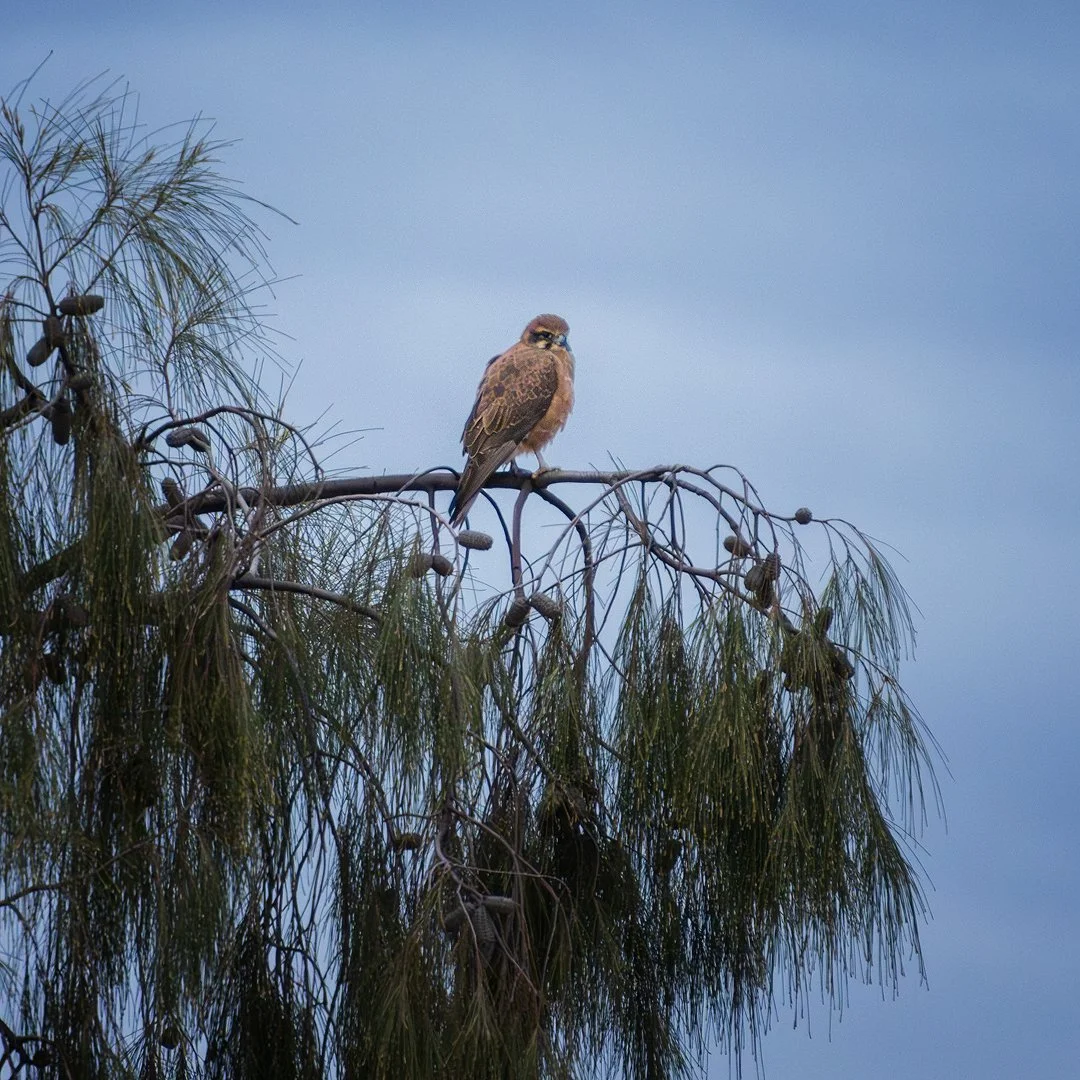
- Intimate desert: ghost gums, waterhole detail, red-and-green contrast, textures
- Ethical blending: clean twilight blends — no fake light, no weird composites
- Editing: Lightroom workflow + Photoshop finishing for tracked Milky Way blends
What's included
- Accommodation in Yulara (4 nights)
- All guided sunrise, sunset and twilight shoots
- Astrophotography coaching at our dark-sky locations
- Daily editing sessions and critique blocks (Lightroom + Photoshop)
- Accredited step-on cultural guide for in-park days
- Planning checklists and shoot routines you keep
- Free 11-video editing tutorial bundle post-workshop (value AU$197)
- Post-workshop email support
- Permits and permissions where required
- Exclusive discounts on NiSi filters, Leofoto tripods, and Nikon gear
- $20M public liability insurance
Not included
- Flights to/from Yulara (Connellan Airport, AYQ)
- Travel insurance (strongly recommended)
- Meals and personal expenses
- Adobe subscriptions (Lightroom/Photoshop)
- Personal gear purchases
Flights tip: AYQ runs a limited schedule. Aim to arrive earlier in the day to protect the Day 1 briefing and first sunset session, and book a departure with enough buffer after the final morning. I'll send exact recommended flights once your seat is confirmed.
Payment + cancellation
AU$6,250 all-inclusive (accommodation, guided sessions, accredited cultural guide, permits, daily editing). A AU$1,500 deposit secures your seat, with the balance due before the workshop. Payment plans available on request. If I ever have to cancel a run, you receive a full refund.
Accommodation + transport
- Base: Yulara (AYQ)
- Accommodation in Yulara included (4 nights)
- All in-field transport provided once you're based in Yulara
- Flights to/from AYQ are self-arranged — see the flights tip above
How night-sky sessions work
Astrophotography is planned around moon phase and Milky Way alignment for the specific dates we run. The June 2027 dates are chosen around the new-moon window so we get dark skies for both the evening rise in the east and the pre-dawn core setting in the west.
We photograph in-park during available twilight and access windows, and run our deeper night-sky sessions from established dark-sky locations with clean horizons, where we have the time and safety to work the Milky Way properly. If cloud rolls in, we switch to editing, planning and technique so the session still produces real improvement.
Approved access only. Respect-first. Conditions-led decisions every time.
What the 2026 workshop proved
The first Uluṟu run confirmed the format. Four participants, strong and varied locations, flexible field sessions, structured daily editing, and enough time to slow down and actually learn. This is the model 2027 is built on.
The learning continues in the editing room
Field time is only half the workshop. The editing sessions are where it locks in. You'll see how I work real files from the trip in Lightroom and Photoshop, then apply it to your own.

Based on the 2026 run, editing in 2027 is built into the middle of each day in focused 3–4 hour blocks rather than one exhausting full-day session, so you refine your images while the shoot is still fresh and still get rest before the evening and astro sessions.
We cover Lightroom workflow, culling and selection, colour and contrast, local adjustments, natural-looking astro processing, and Photoshop finishing for tracked Milky Way blends. The goal is clean, strong, repeatable images without gimmicks, and a workflow you take home.
From the 2026 Uluṟu workshop
Verified Google reviews from participants on this exact workshop.
"I highly recommend Dylan's workshops. I joined him first at Mooloolaba, and more recently for a 5-day workshop at Yulara/Uluṟu. Consistently over the longer days, Dylan excelled in his ability to teach, encourage and support my photography and editing. He is very professional in his organisation, structure and execution. His clients come first — he constantly moves around the group checking composition and camera settings. It's been amazing to have a sunrise session followed by an editing session each day. I'm looking forward to future opportunities to join Dylan."
"As a photographer with some experience in astrophotography, I came into Dylan's Uluṟu workshop with a good understanding of the basics, but still walked away learning a lot. Capturing the Milky Way over Uluṟu was a bucket-list moment, and Dylan's knowledge of the location, conditions and night-sky photography made it truly special. His insights into composition, planning and the finer details of creating a strong image added so much value. A fantastic workshop for photographers looking to refine their skills while creating images of one of the country's most iconic landscapes."
"I recently attended Dylan's Uluṟu 5-day workshop in the Red Centre. The experience was amazing; Dylan is very approachable and forthcoming with his knowledge. Dylan is able to assist with settings, composition and shooting conditions from sunrise right through to astro photography and evenly distributes his attention to each workshop member. Then there is the editing — this is where Dylan assists you to get your shots to really shine with his extensive knowledge of both Photoshop & Lightroom, along with Dylan's never-ending bucket of patience. This was my first workshop with Dylan and will happily book future workshops without hesitation."
Day by day — how it runs
Session timing and locations are conditions-led, aligned to safe access windows, light and weather.
Arrival + briefing + first sunset
Arrive Yulara, gear check and full briefing covering access rules, Aṉangu cultural protocols and safety. First sunset session if arrival timing and conditions allow.
Uluṟu: sunrise to twilight + first Milky Way session
Early start (ahead of the gate queue) for sunrise textures and silhouettes. Midday editing block and rest. Twilight session, then a dark-sky Milky Way session — conditions permitting.
Kata Tjuṯa + astro deep dive
Kata Tjuṯa compositions — layered domes, long-lens abstracts, wide landscapes. Afternoon editing and planning. Evening astro: single and tracked capture workflow, stacking and tracking basics.
Conditions-led flex day
Adapt to weather and group needs. Alternate angles, intimate desert detail, deeper personal coaching, extended edit time. Final night window if conditions allow.
Final sunrise + image review + departures
Optional final sunrise, full image review, take-home workflow notes and a repeatable plan for your next desert shoot. Transfers for flights.
Locations (conditions-led)
- Uluṟu — sunrise, silhouette, side-light texture, twilight colour
- Kata Tjuṯa — domes, wide landscapes, long-lens abstracts
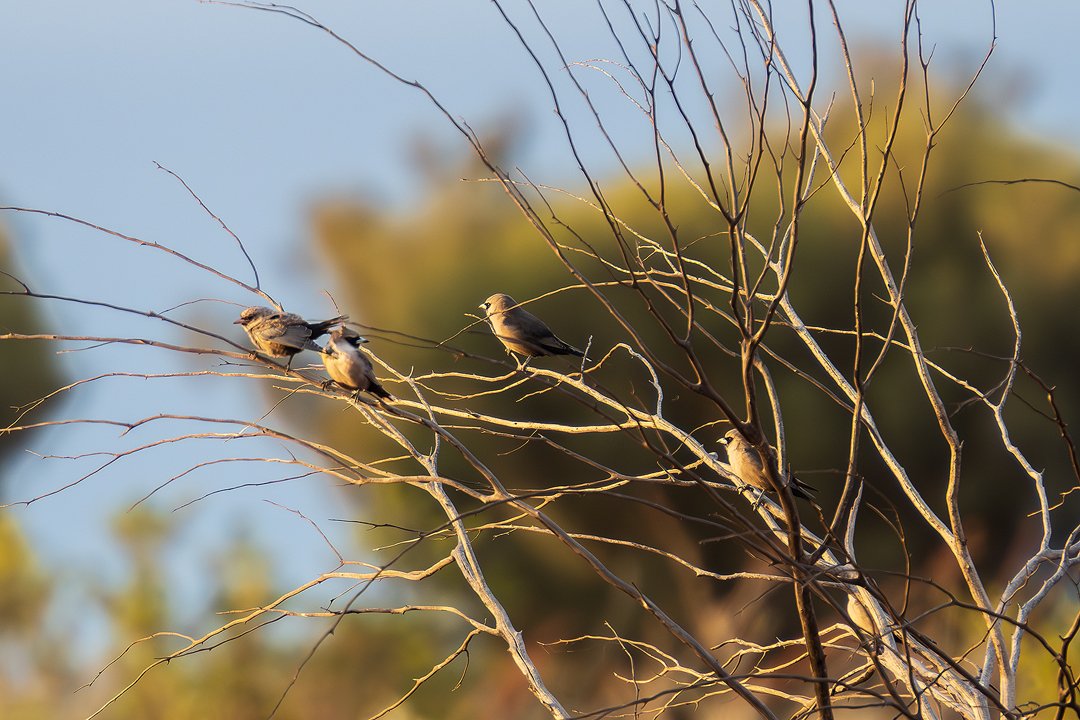
- Intimate desert — ghost gums, waterhole detail, textures, wildlife
- Dark-sky locations — Milky Way and tracked captures with clean horizons
Final site usage is always subject to weather, access windows, cultural guidance and safe movement in low light.
Astro windows + seasonal context
June is prime Red Centre season — cool, dry air and strong Milky Way positioning. The 3–7 June dates sit in the new-moon window, giving dark skies for the evening rise and the pre-dawn western core.
Overnight temperatures can drop hard. Pack proper layers — this is not a summer trip.
Gear expectations
- Mirrorless or DSLR with manual controls
- Wide-angle: 14–16mm f/2.8 is best for astro and wide-field landscapes
- Bring mid and long range too – a 24–70 and a 100–400 are highly encouraged. There's an endless amount to photograph here and you'll regret leaving them behind
- Sturdy tripod (non-negotiable)
- Headtorch with red mode + spare batteries
- Lightroom + Photoshop (tracked blends finished in PS)
- Warm layers — cold nights even in June
Safety + cultural respect
- Documented safety plan held on file
- Approved access only — we work within permit conditions
- Accredited step-on cultural guide for in-park days
- Emergency contacts + first-aid protocols briefed Day 1
- Weather-led decisions — conditions always come first
- No photography of restricted or sacred sites
- No drones within Uluṟu–Kata Tjuṯa National Park
I'm in discussion with Parks Australia about approved after-hours in-park access, and exploring an optional Mount Conner sunset-to-astro add-on for 2027. Neither is confirmed, and neither is part of the workshop you're booking.
If they come through, they're a bonus. If they don't, nothing changes: we photograph the full Milky Way, twilight and landscape set you see across this page from our dark-sky locations, exactly as we did in 2026.
FAQs
Direct answers before you join the list.
How much does it cost and what's the deposit?
How does the priority list work?
What's included after the workshop?
Can I pay in instalments?
What experience level do I need?
How do astro and night sessions work?
Is after-hours in-park access or Mount Conner included?
What happens if the weather is bad?
Can I sell or publish my images?
What gear should I bring?
Is accommodation or transport included?
What's the cancellation / refund policy?
30–59 days: 50% refund of monies paid
Under 30 days: no refund unless seat is filled; if filled, refund less $100 admin fee
If I cancel a run, you receive a full refund
ACL rights apply regardless
Full policy: dylanknight.com.au/cancellation-policy
Four seats. 3–7 June 2027.
The priority list is offered seats first. 2026 sold out — join the list to be one of the four.
Not ready to join yet?
Start with the editing system I teach in the field
If you're not ready to commit but want to get your Milky Way processing sorted — my 11-video editing bundle covers the same Lightroom + Photoshop workflow I walk participants through at every workshop. Work through it at home, on your own files, at your own pace.
Explore the editing bundle — AU$197 →