Peaks, Coast & Dark Sky
Sunshine Coast Photography Workshop. Four days photographing the region from summit to sea: a sunrise over the volcanic plugs from Mt Ngungun, rainforest and waterfalls at Kondalilla, coastal light across Noosa and the headlands, and a dark-sky Milky Way session at Borumba Dam, one of the darkest accessible skies in South East Queensland. Four environments, one repeatable field-to-edit workflow. Small group, maximum 4.
Terrain & access
Want to see the kind of images this trip produces? Take a look through the gallery.
You take the photograph. I teach you how to make it.
You'll learn to read the light, choose the composition, make the technical decisions and carry the image through to a finished edit. I'll coach you the whole way, from planning and capture to Lightroom and Photoshop, but the photograph and the understanding are yours to take home.
Four environments. One repeatable workflow.
Most local workshops give you one look. This one moves through four completely different landscape disciplines in four days, and gives you the workflow to handle all of them. Each demands its own field technique, and each is carried through into a Lightroom and Photoshop editing block so it sticks.
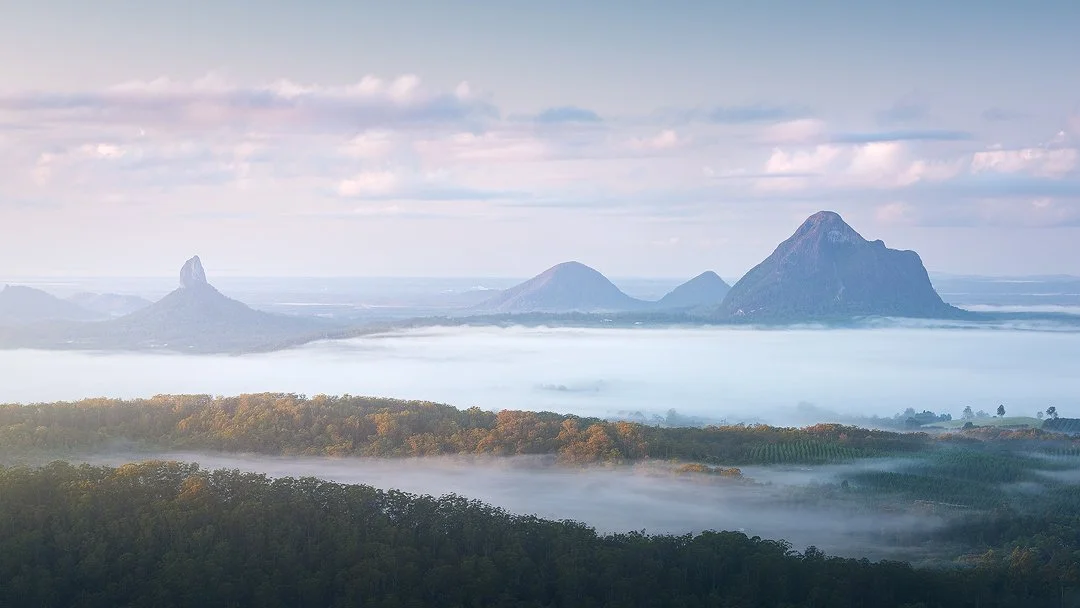
Volcanic Peaks
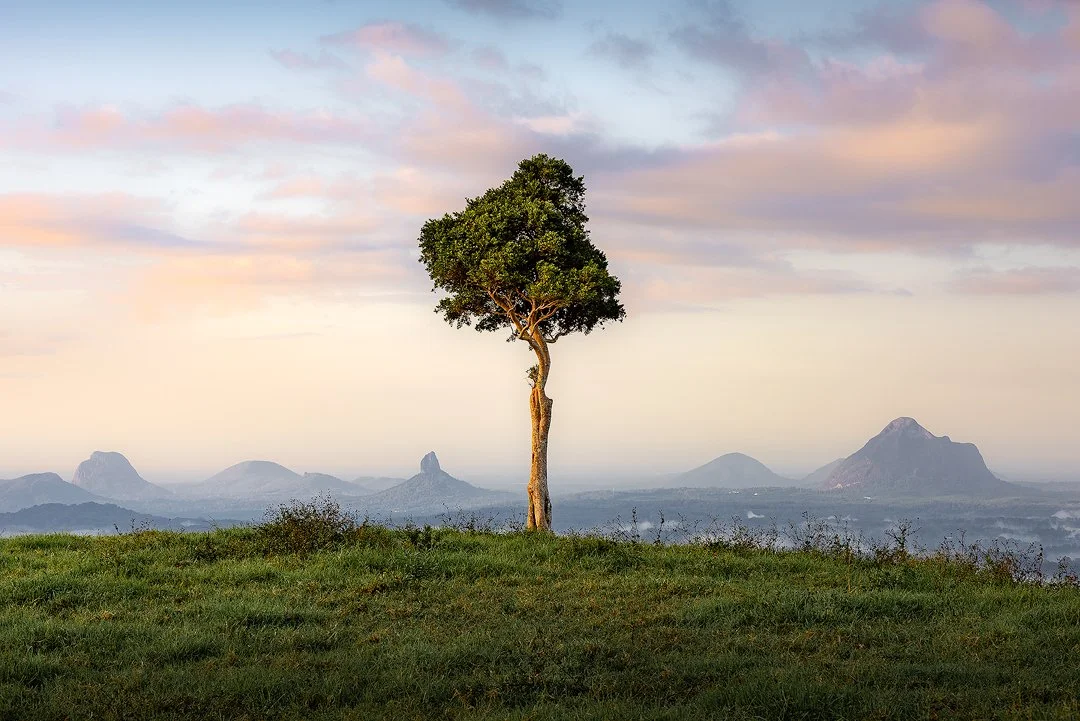
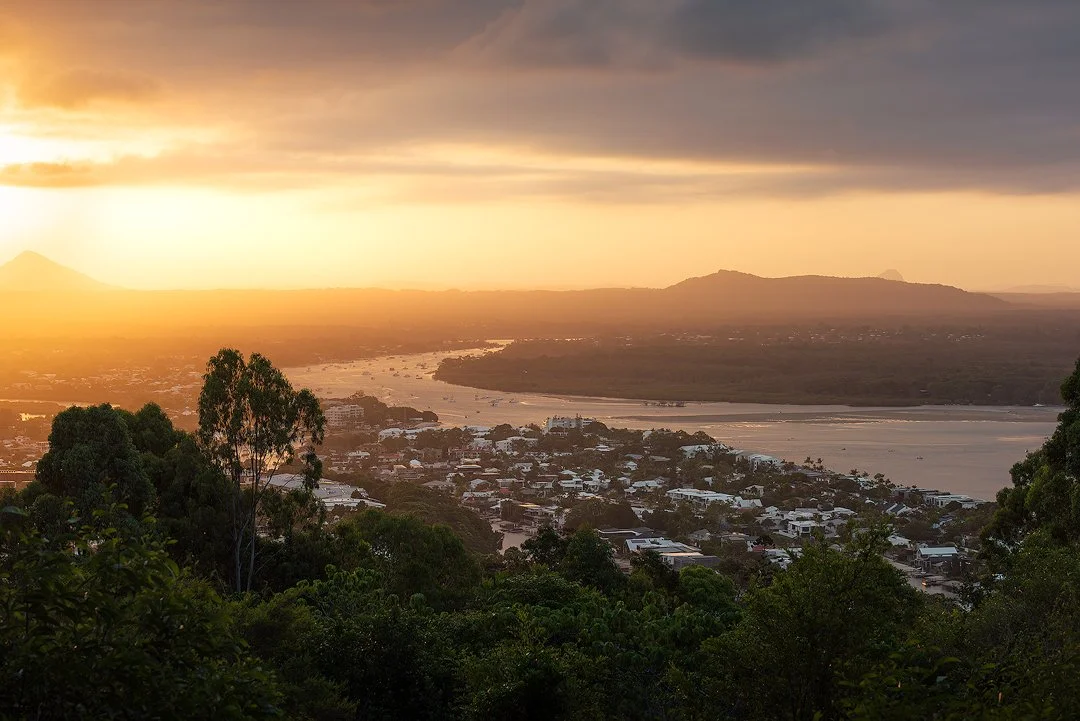
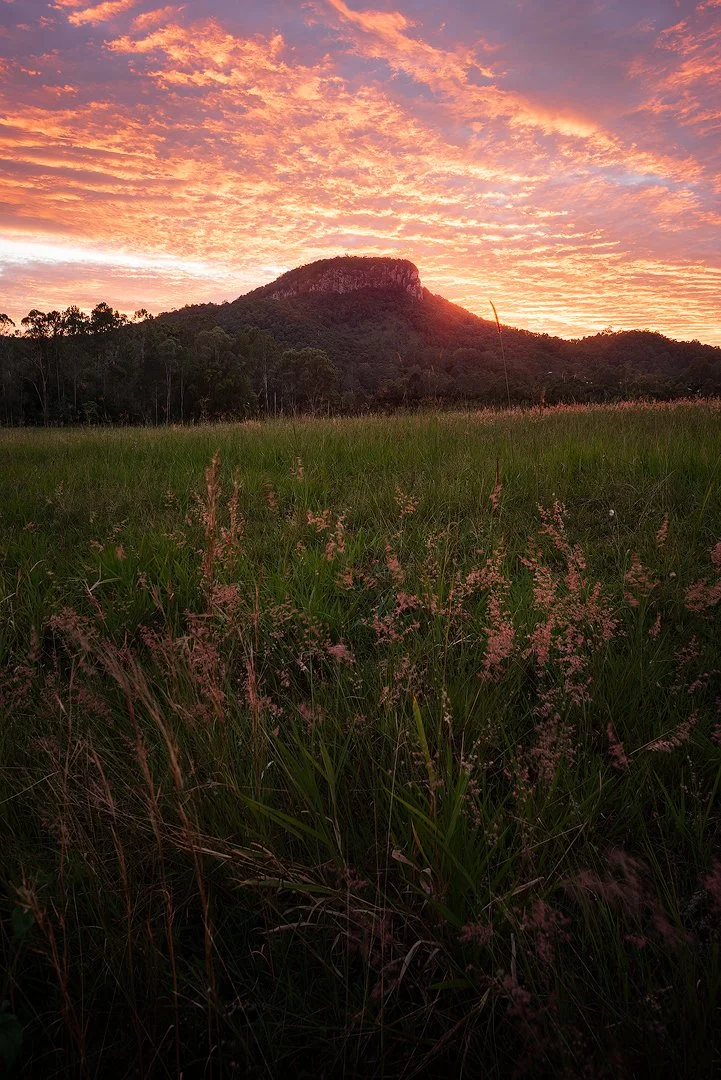
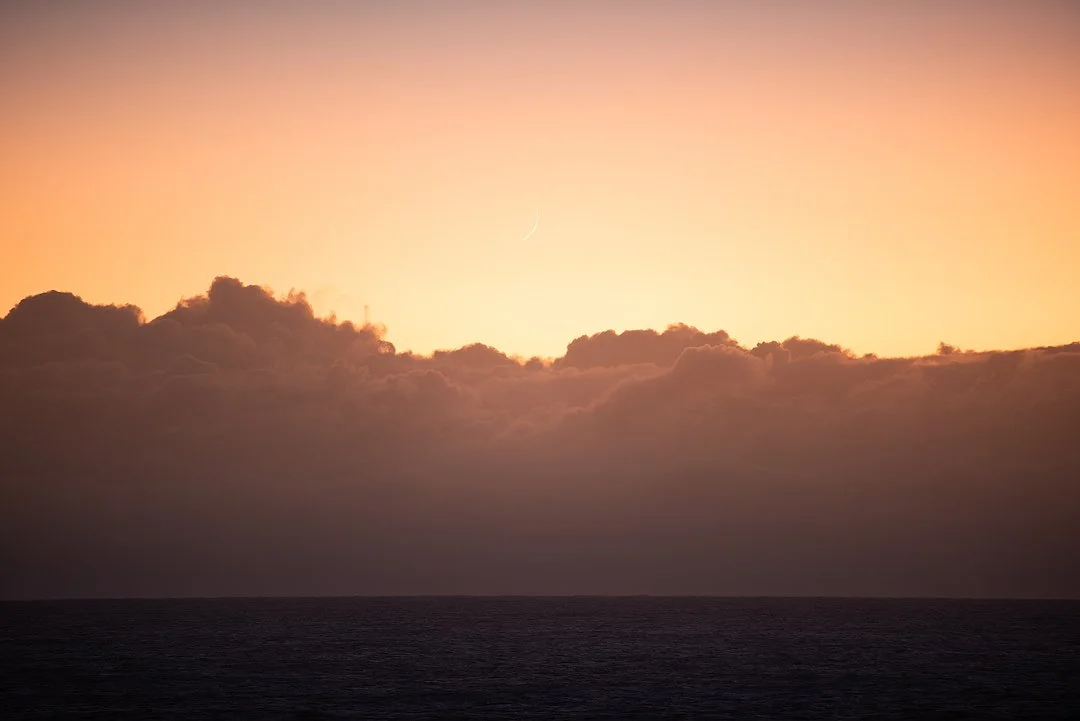
The signature session. A pre-dawn summit sunrise from Mt Ngungun looking across Tibrogargan, Coonowrin and Beerwah. Permitted pre-dawn access lets us reach the summit before first light and work the complete transition from blue hour into sunrise: telephoto compression, light direction and foreground layering. Elevated hinterland outlooks over the range are on the table too, when the morning suits them.
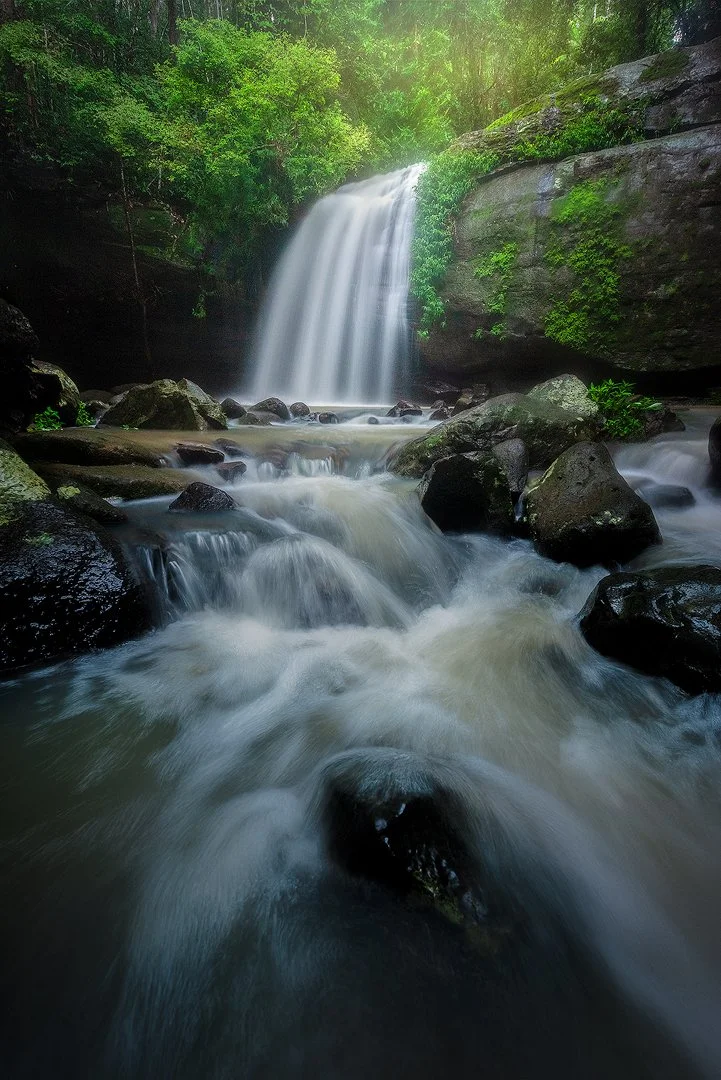
Rainforest + Waterfalls
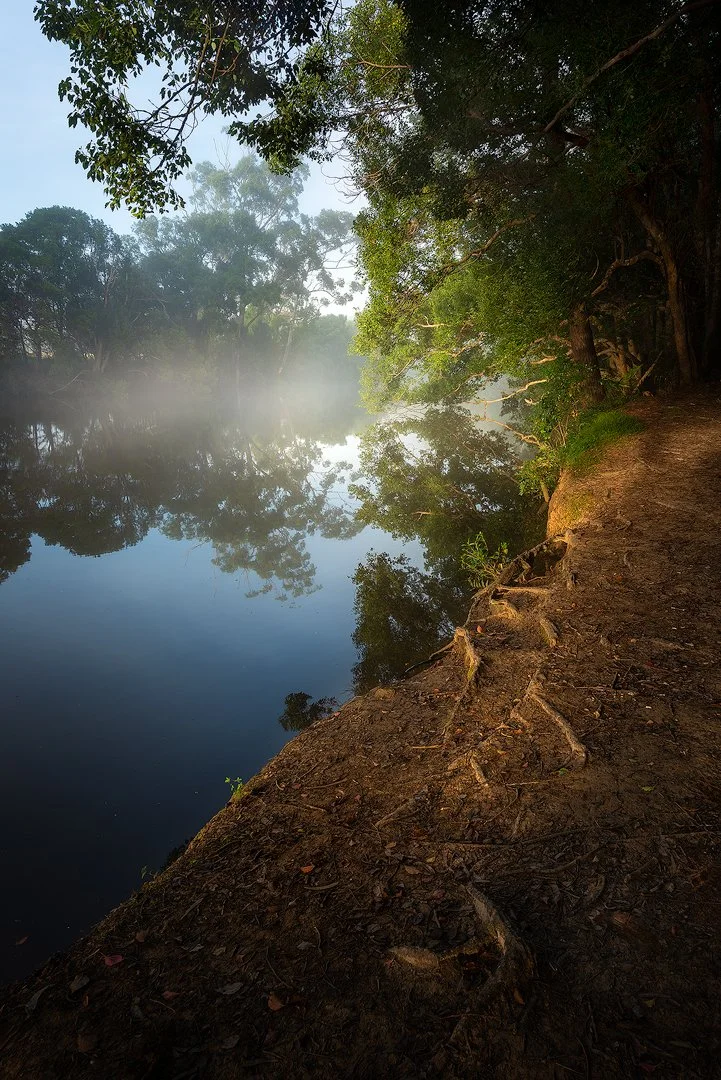
The premier waterfall in the hinterland. Shutter-speed decisions, highlight control, polariser work, cutting through forest clutter and taming heavy green. A complete change of visual language after the mountains and the coast.
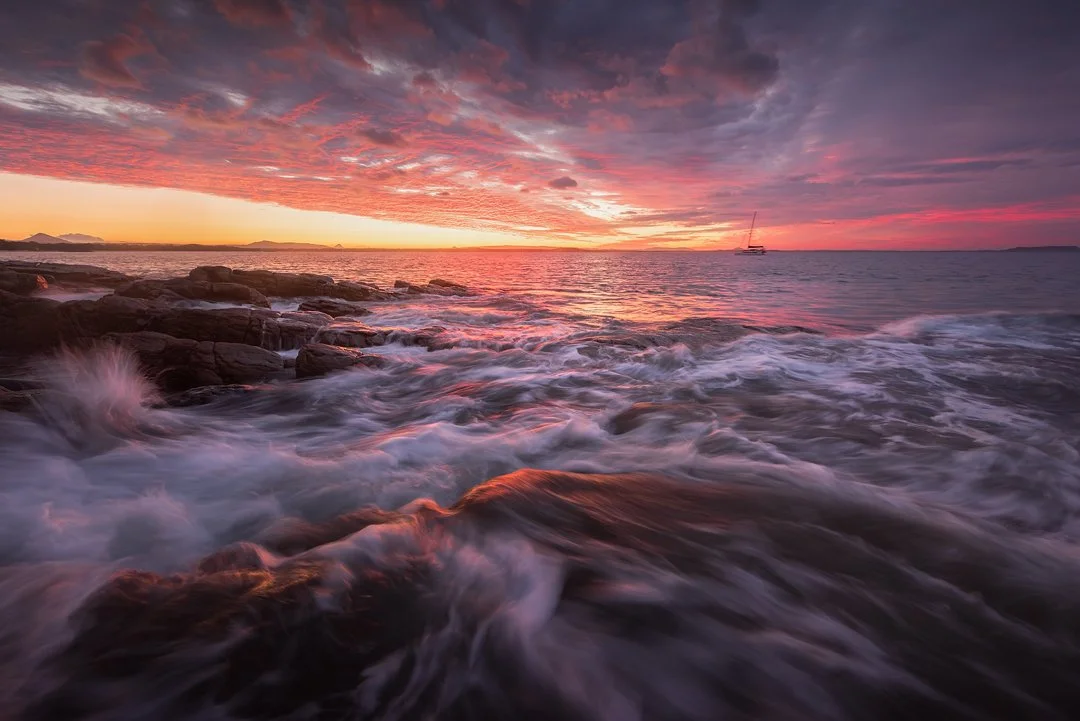
Coast
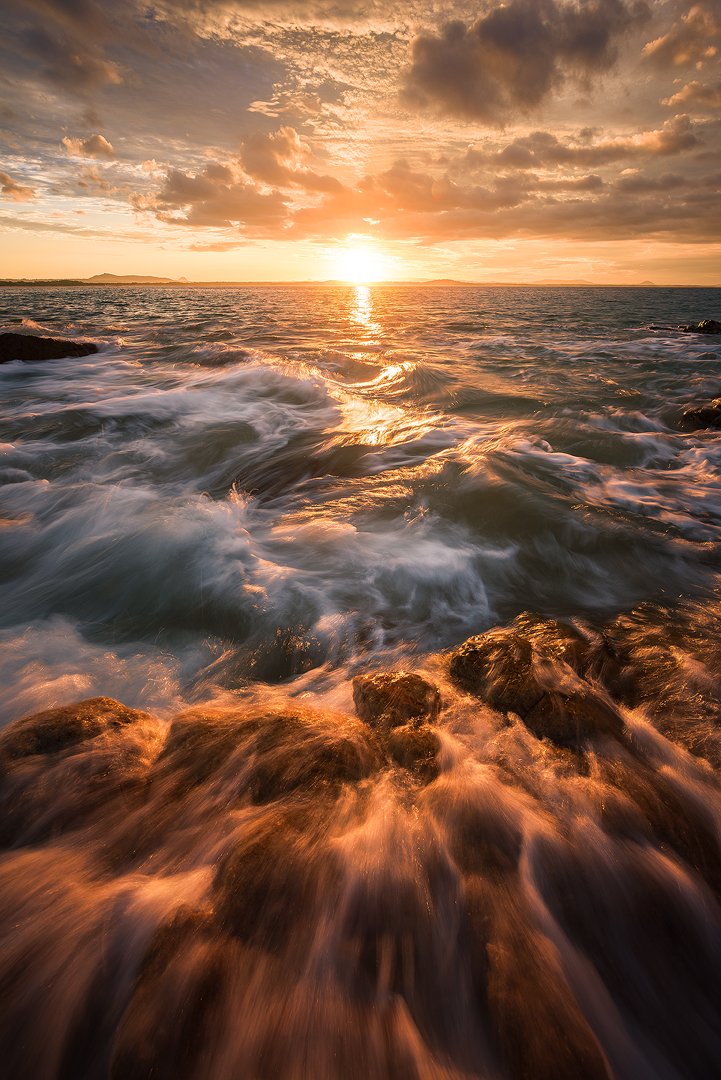
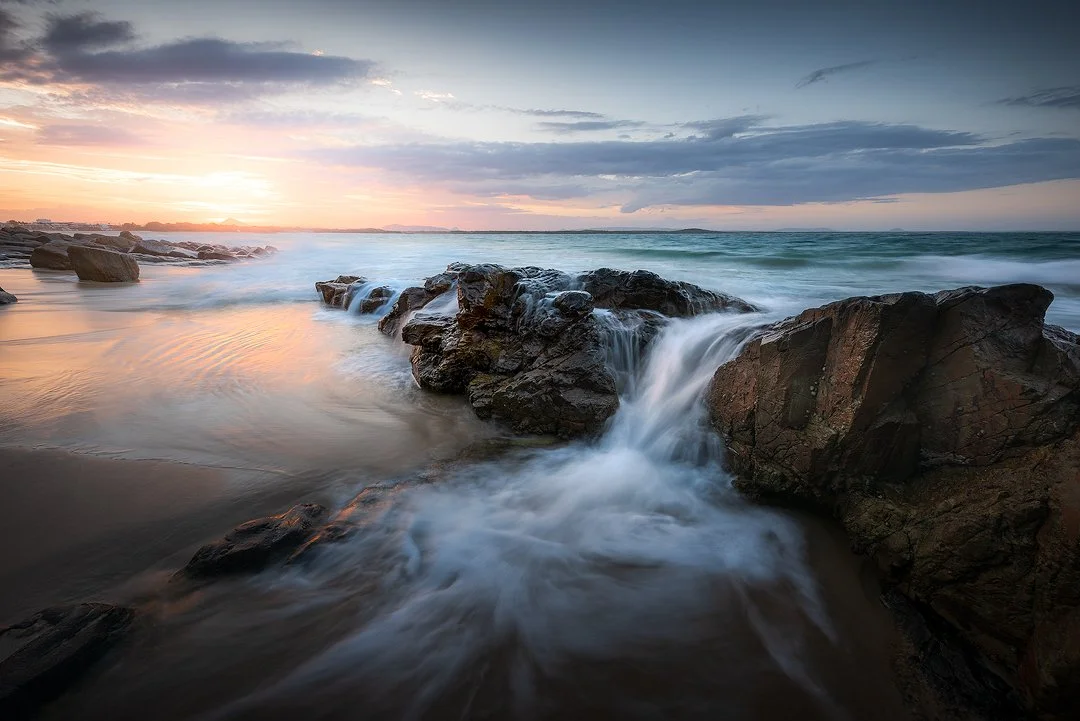
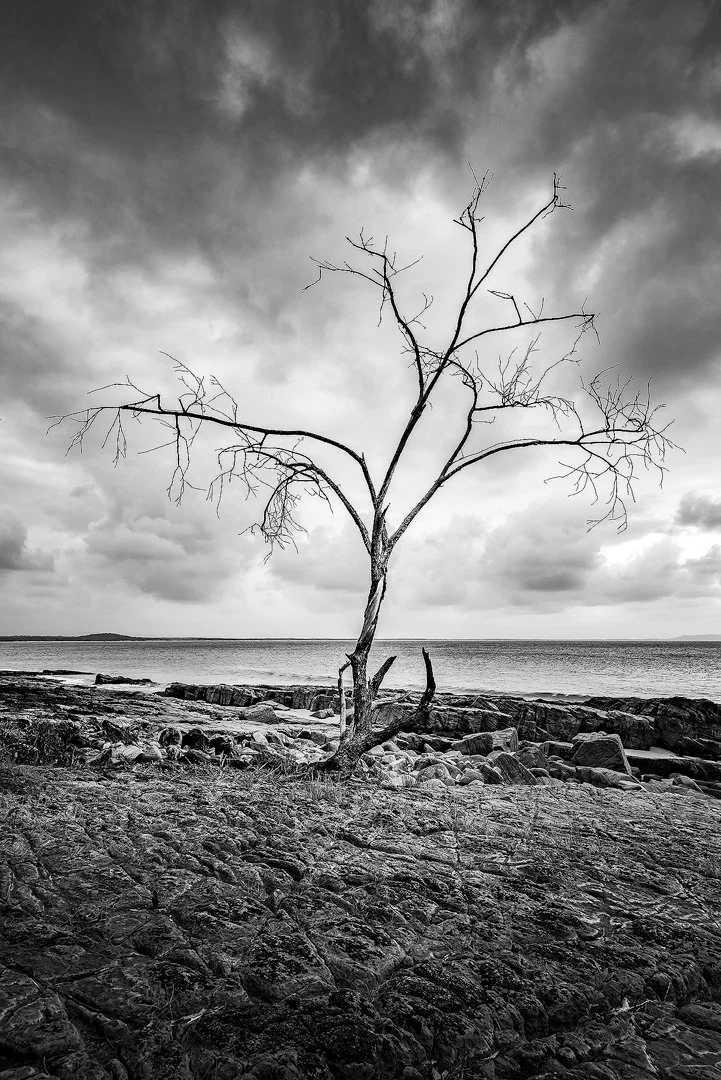
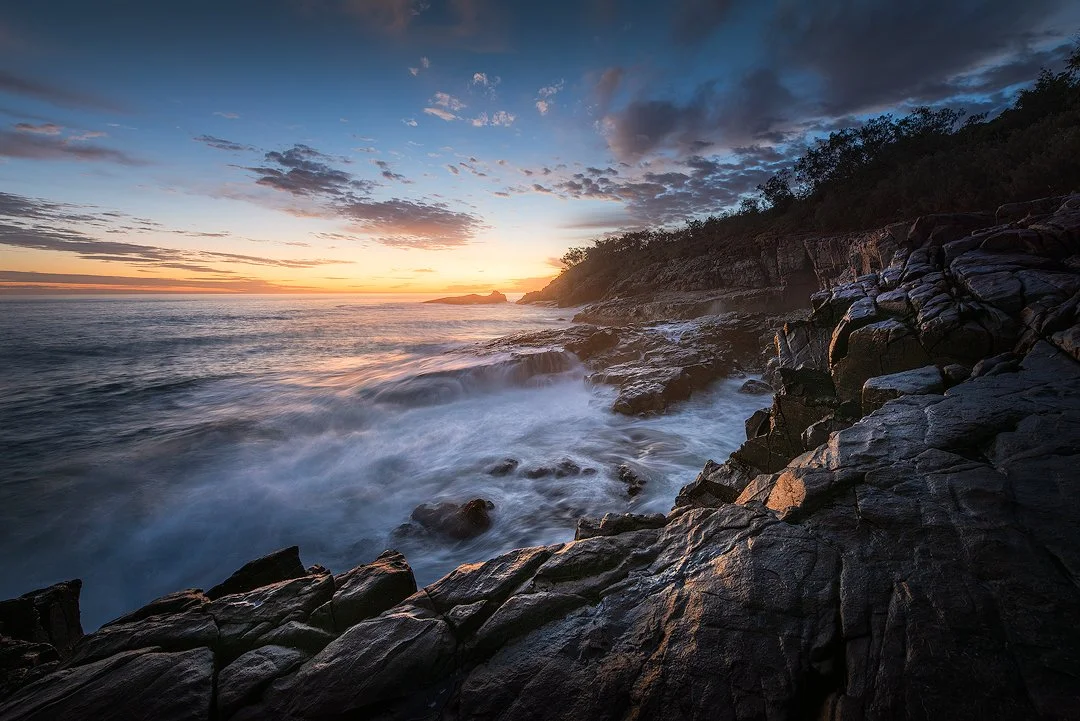
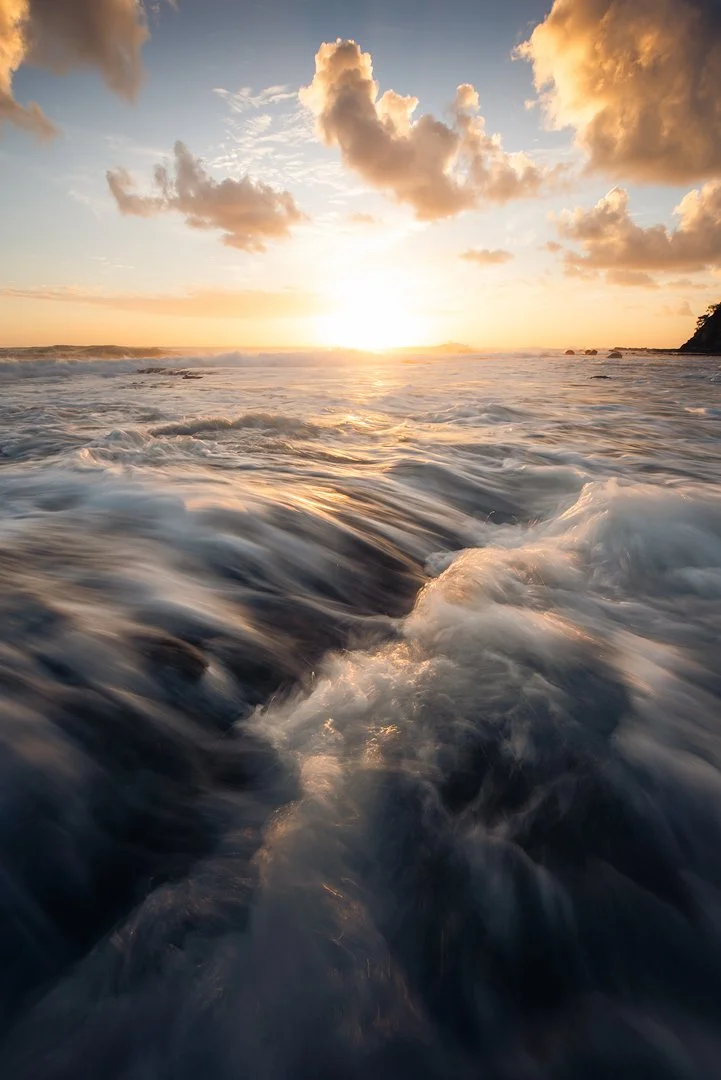
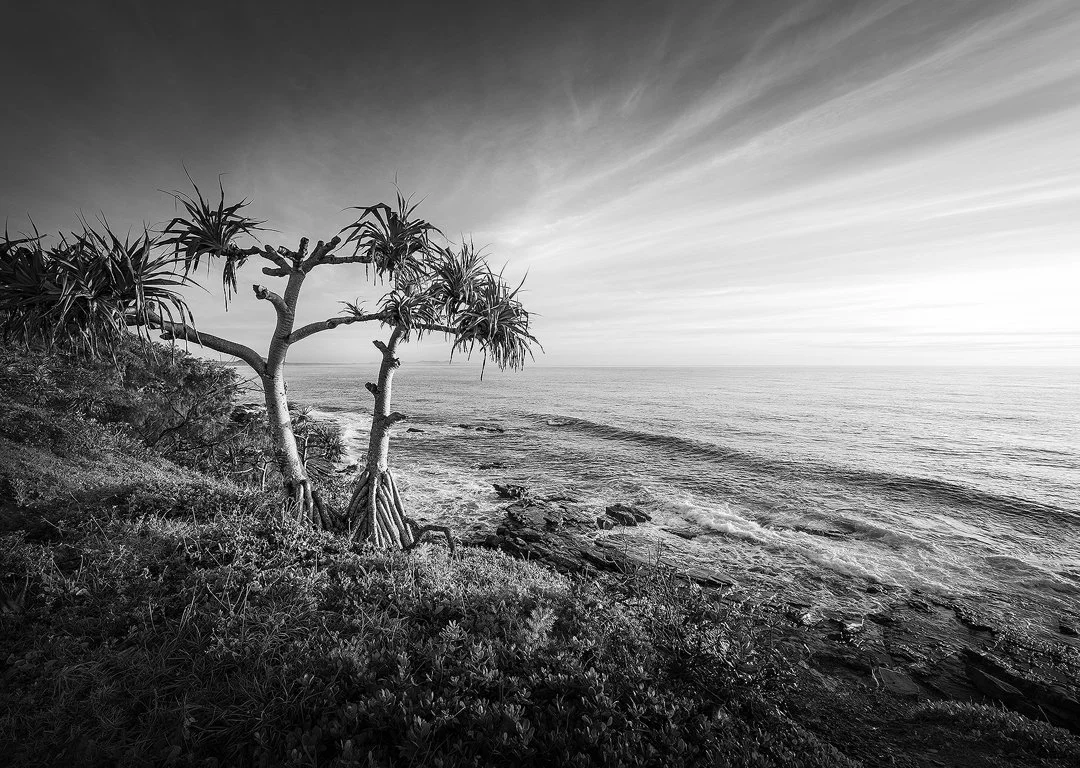
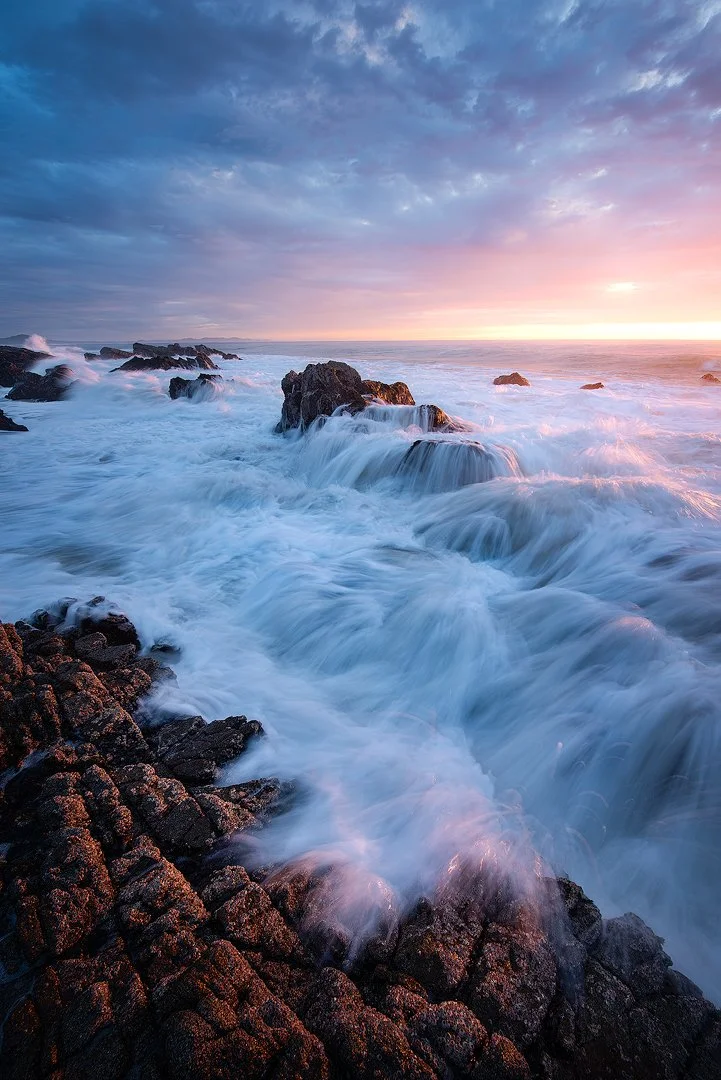
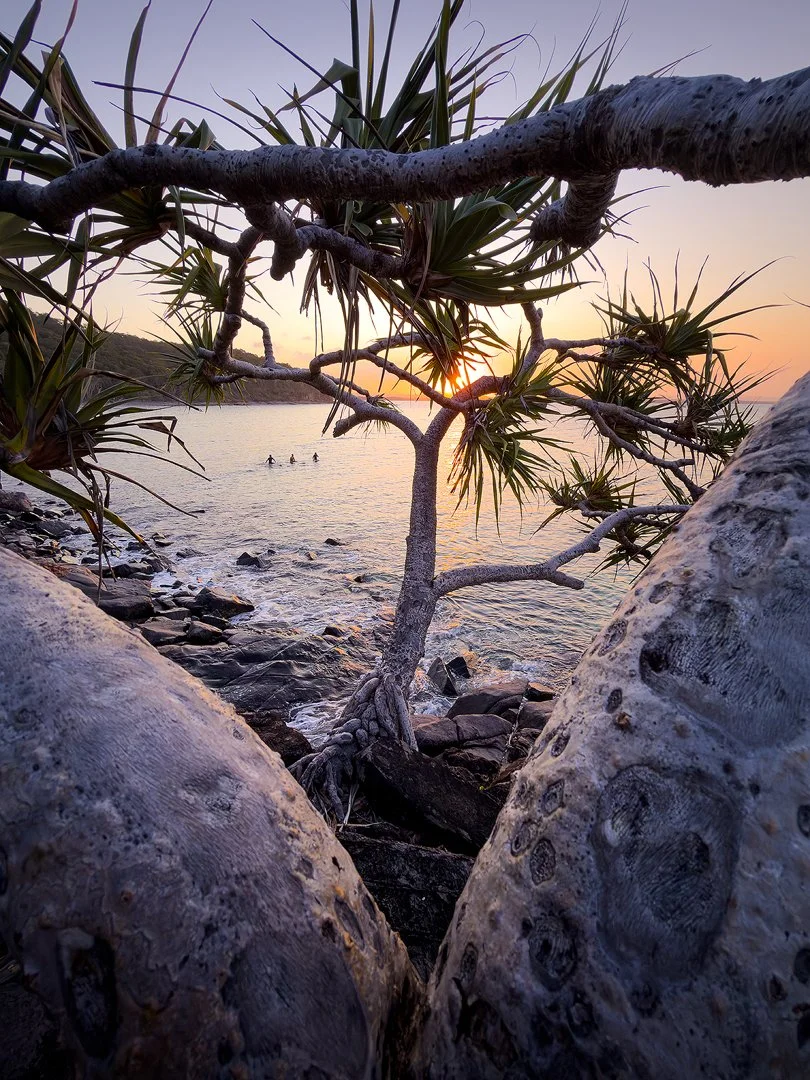
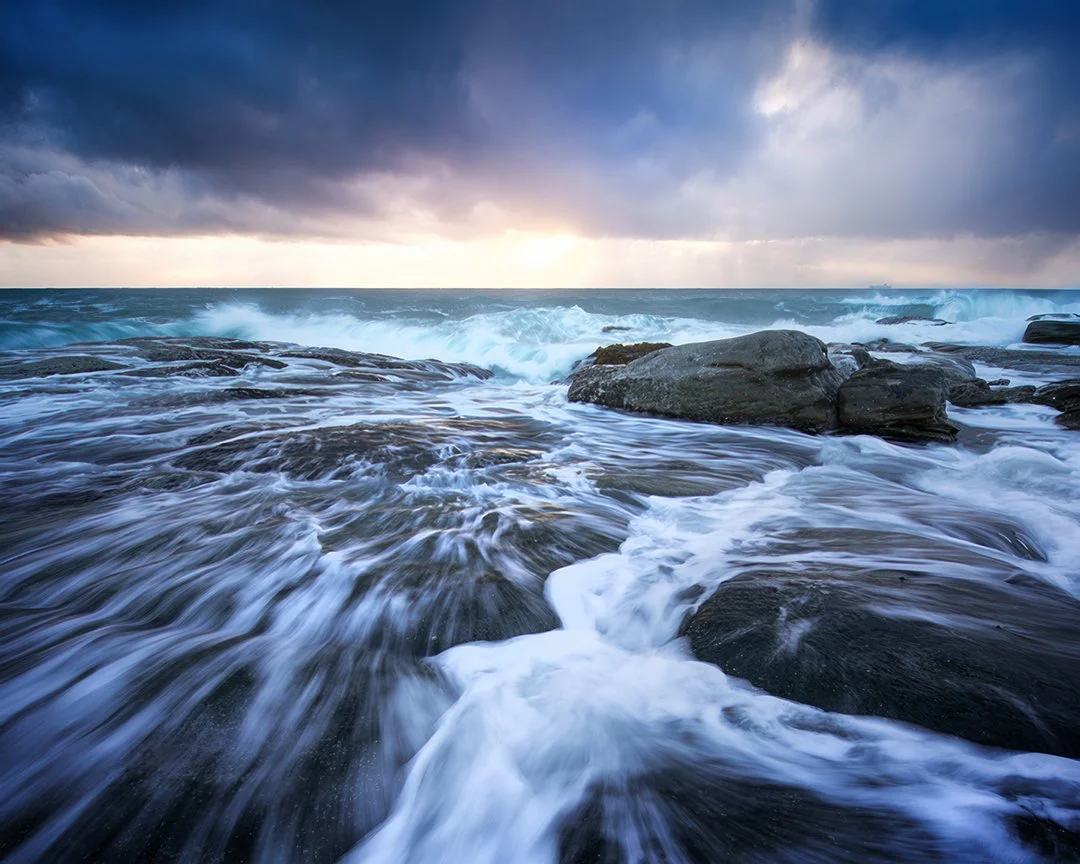
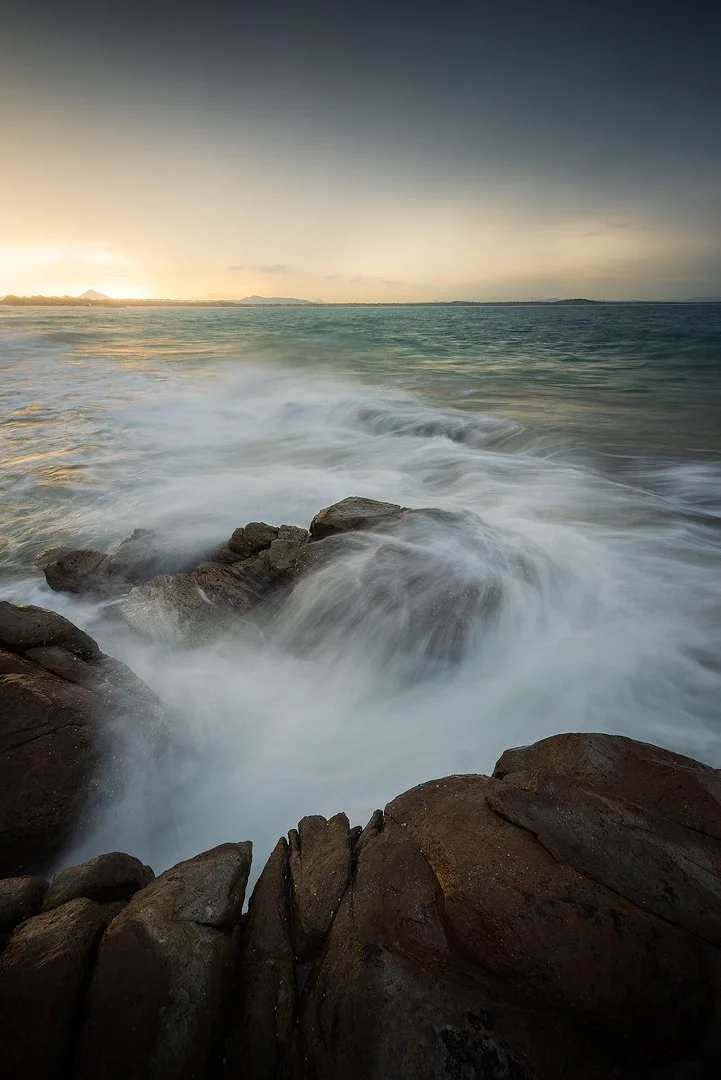
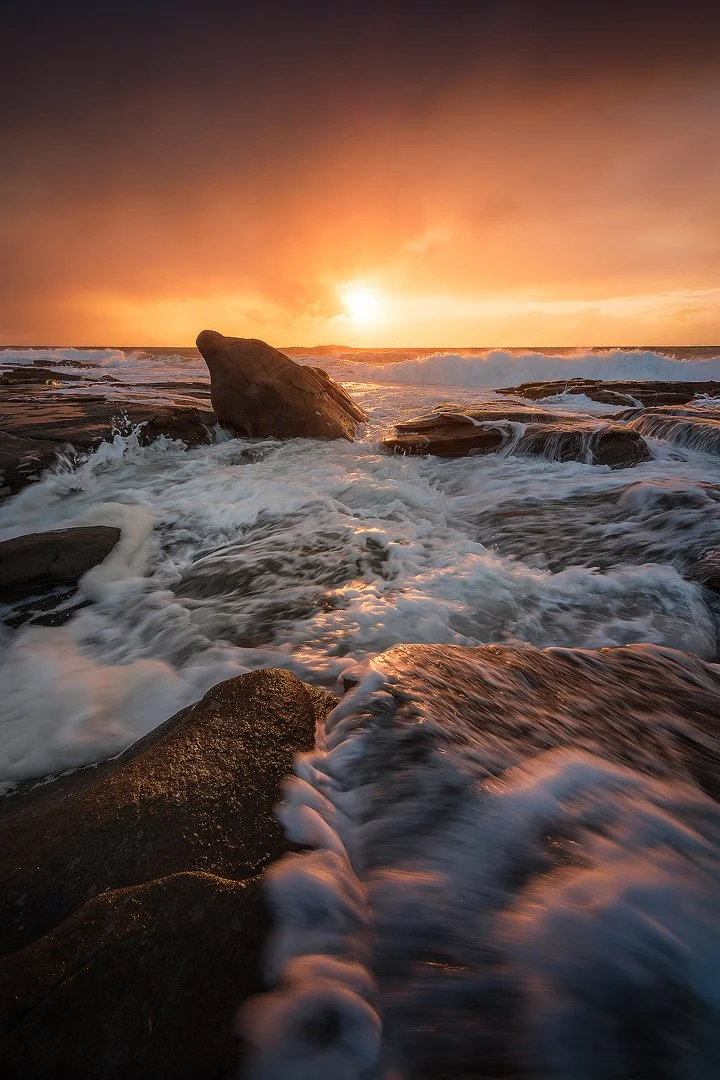
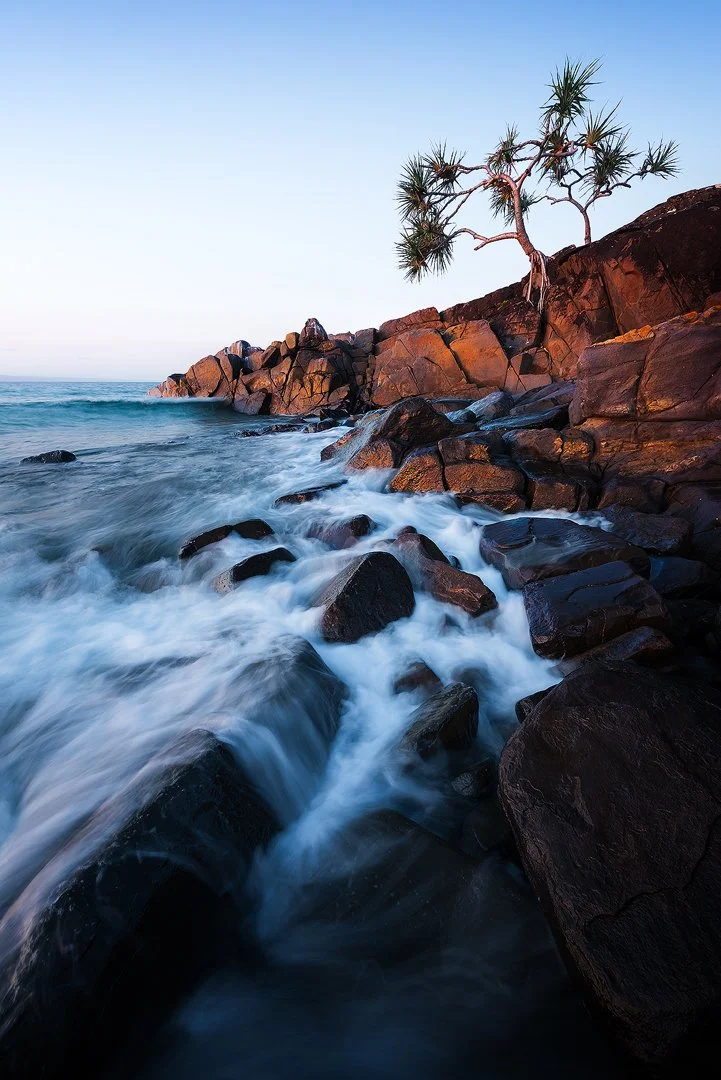
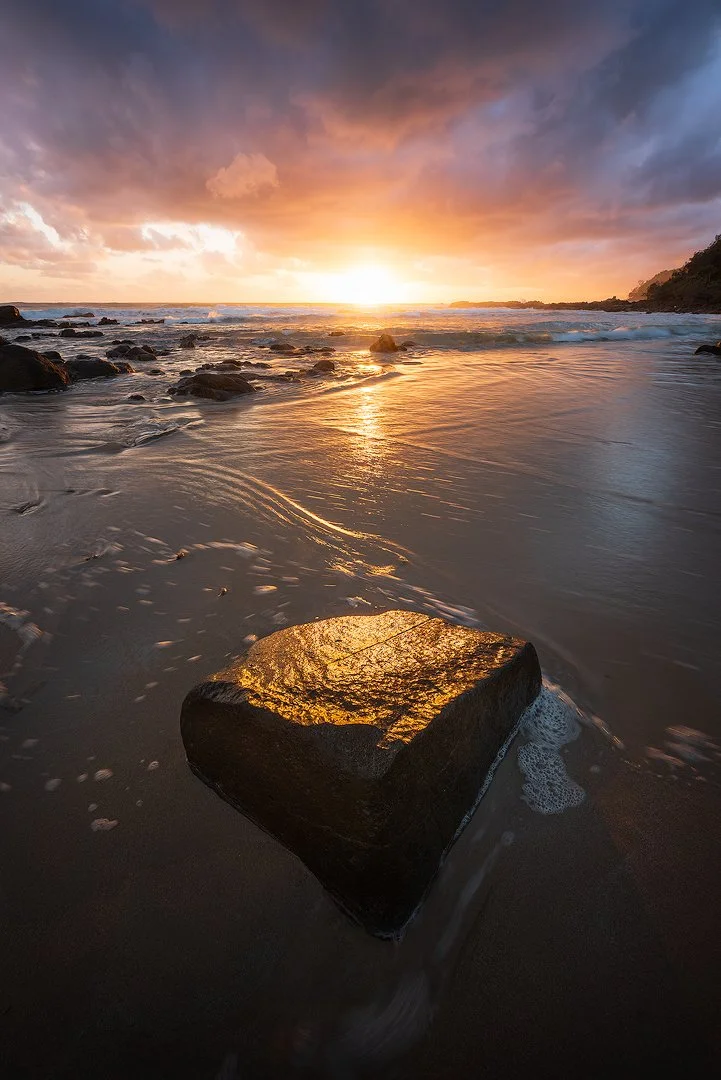
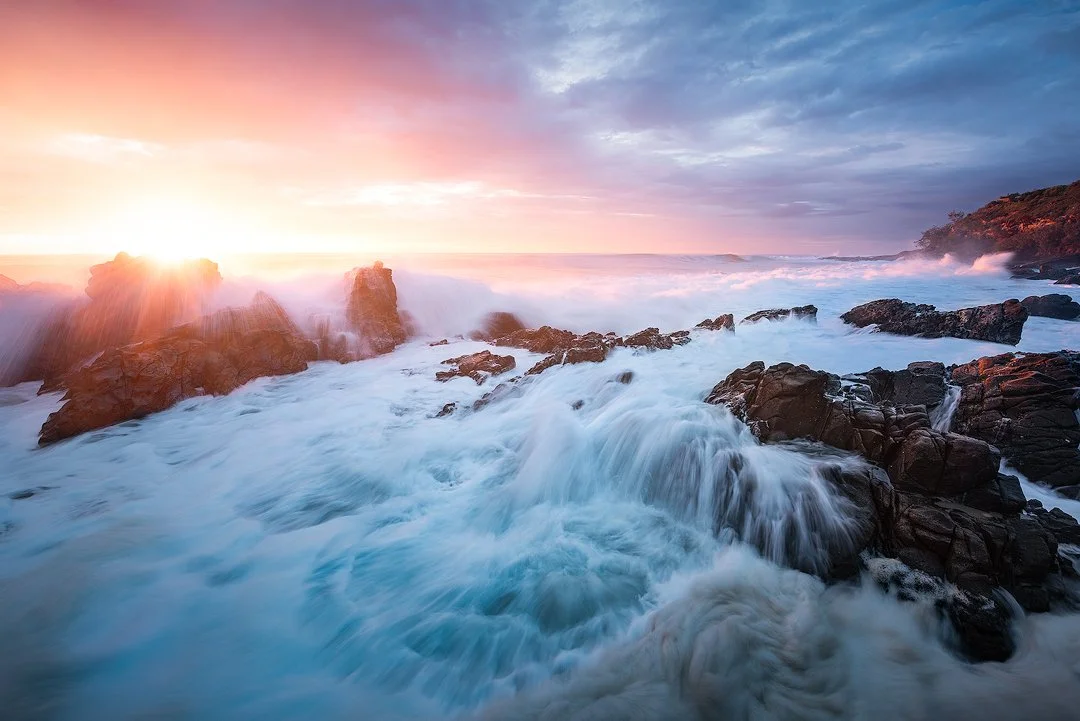
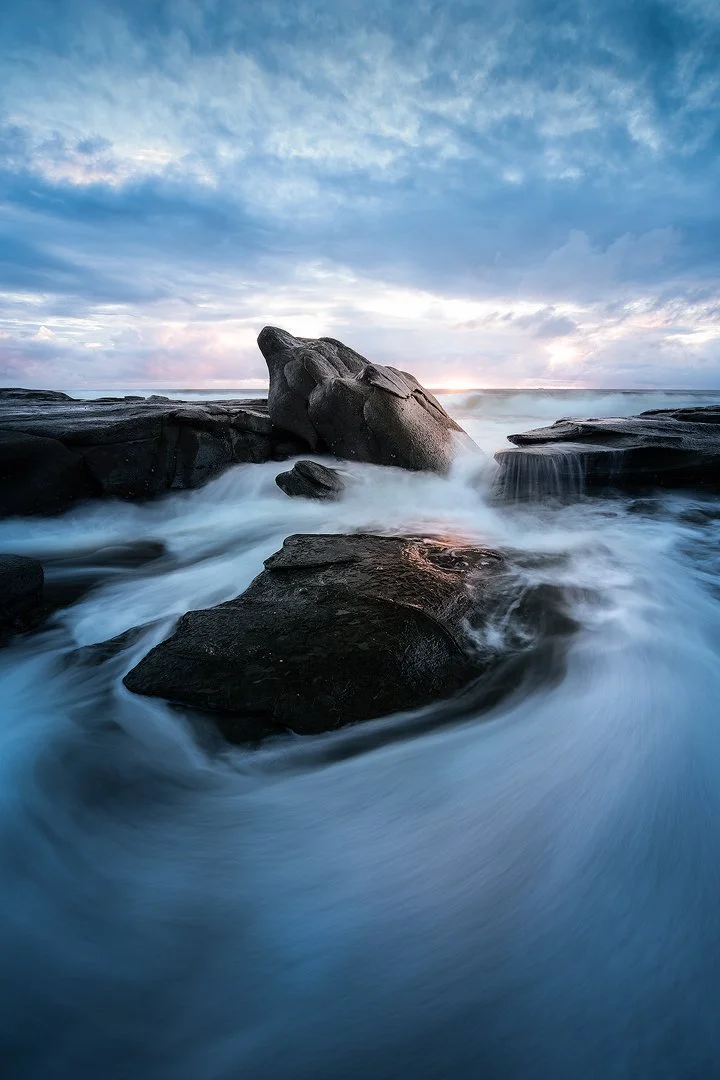
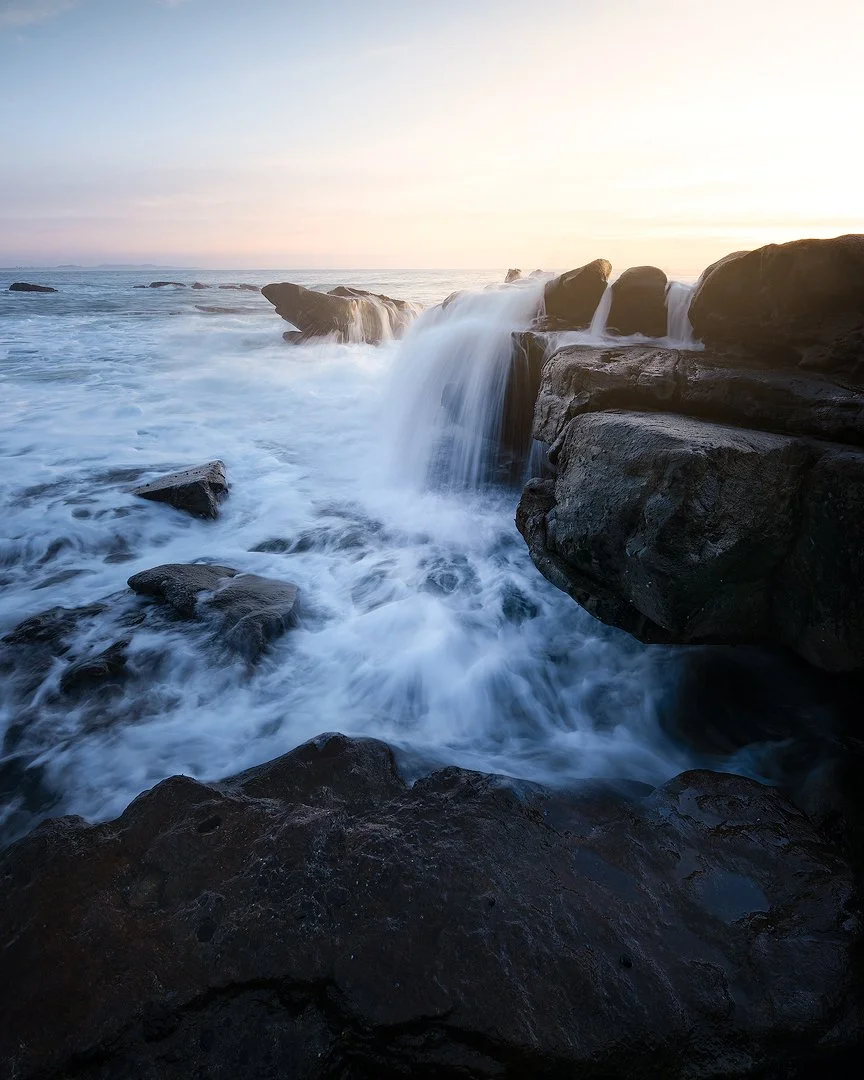
Clean seascape technique: long exposure, wave timing, filters, foreground control and working safely around changing coastal conditions. Point Arkwright offers strong coastal rock structure, while Noosa National Park gives us bays, headlands and changing directional light.
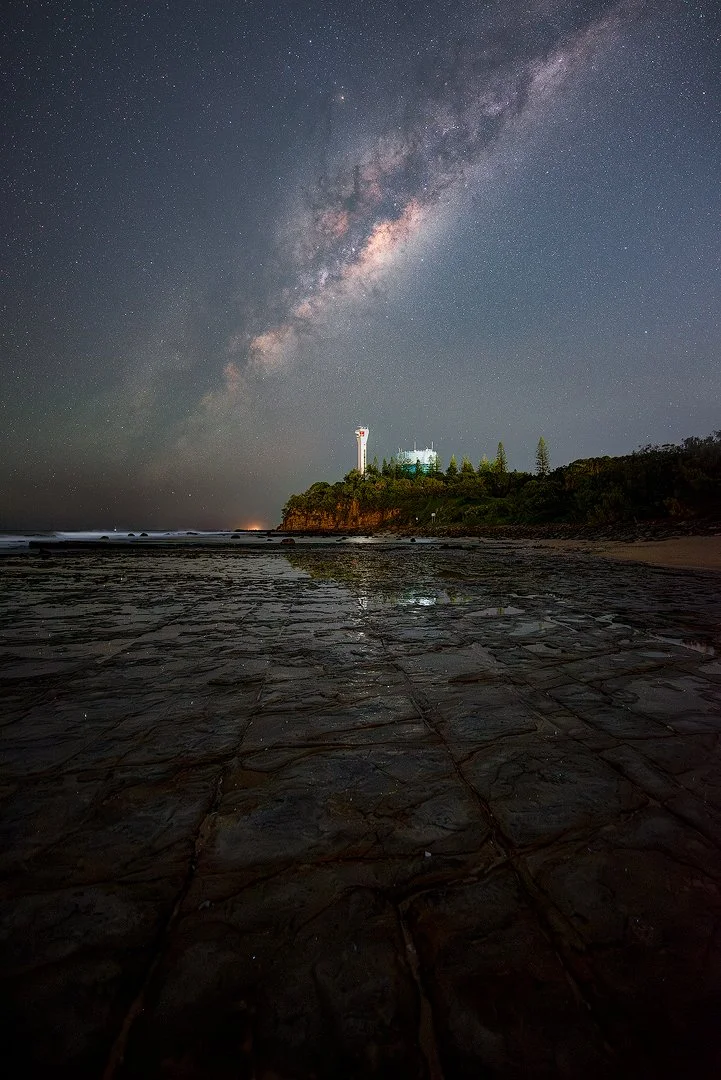
Dark-Sky Astro
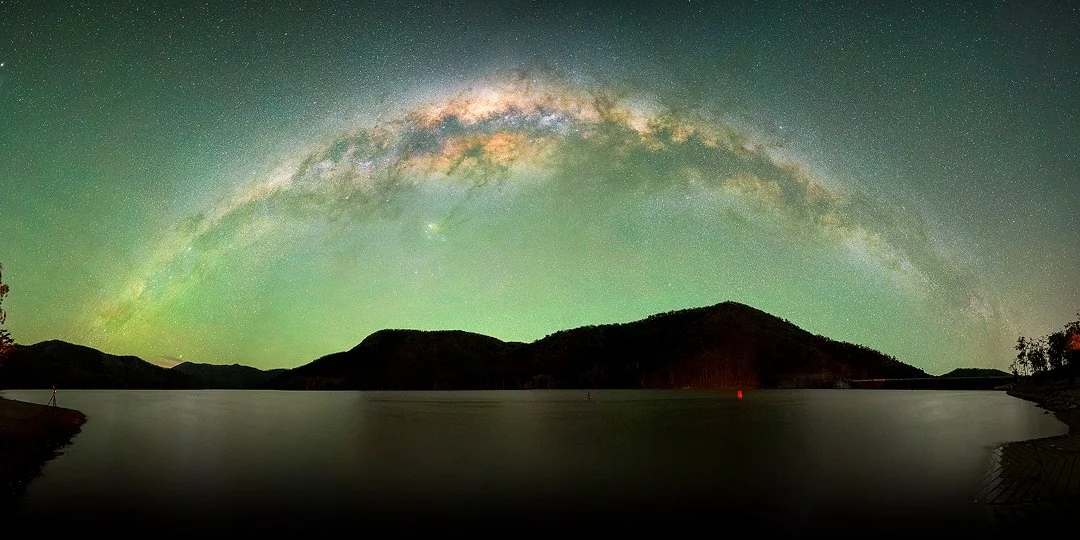
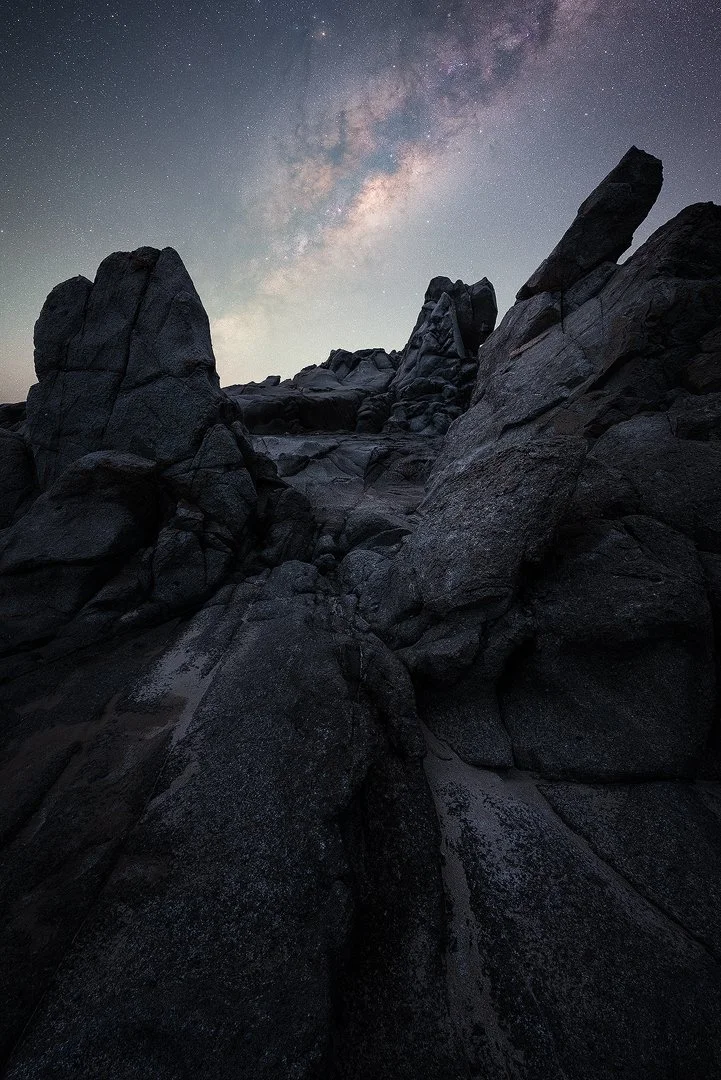
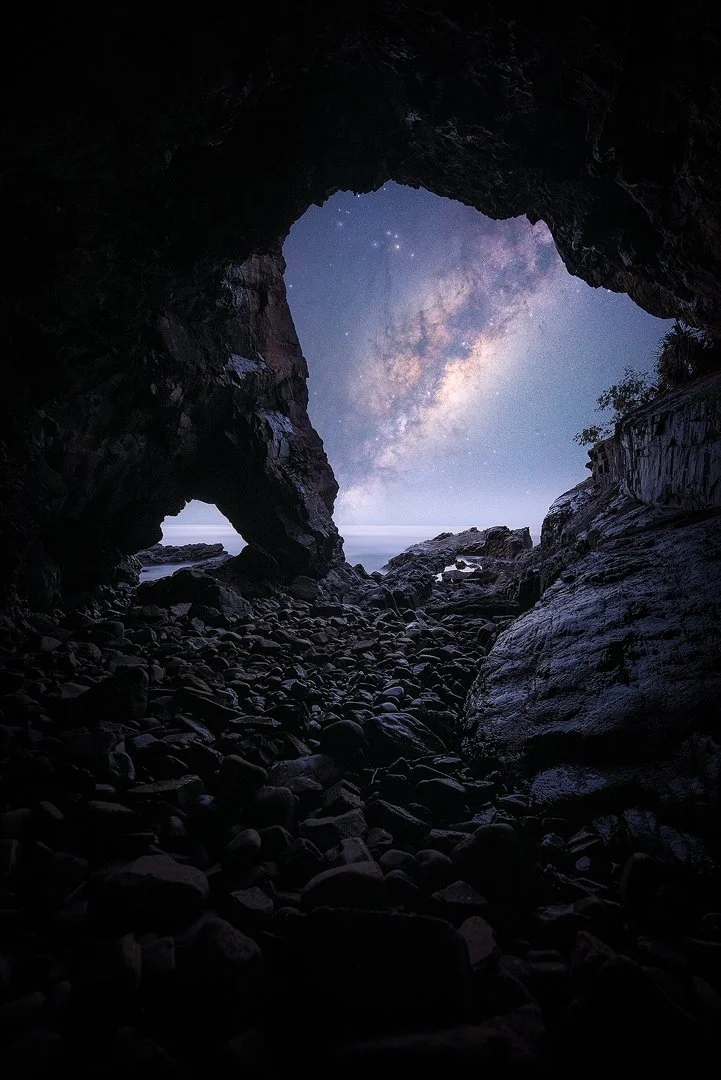
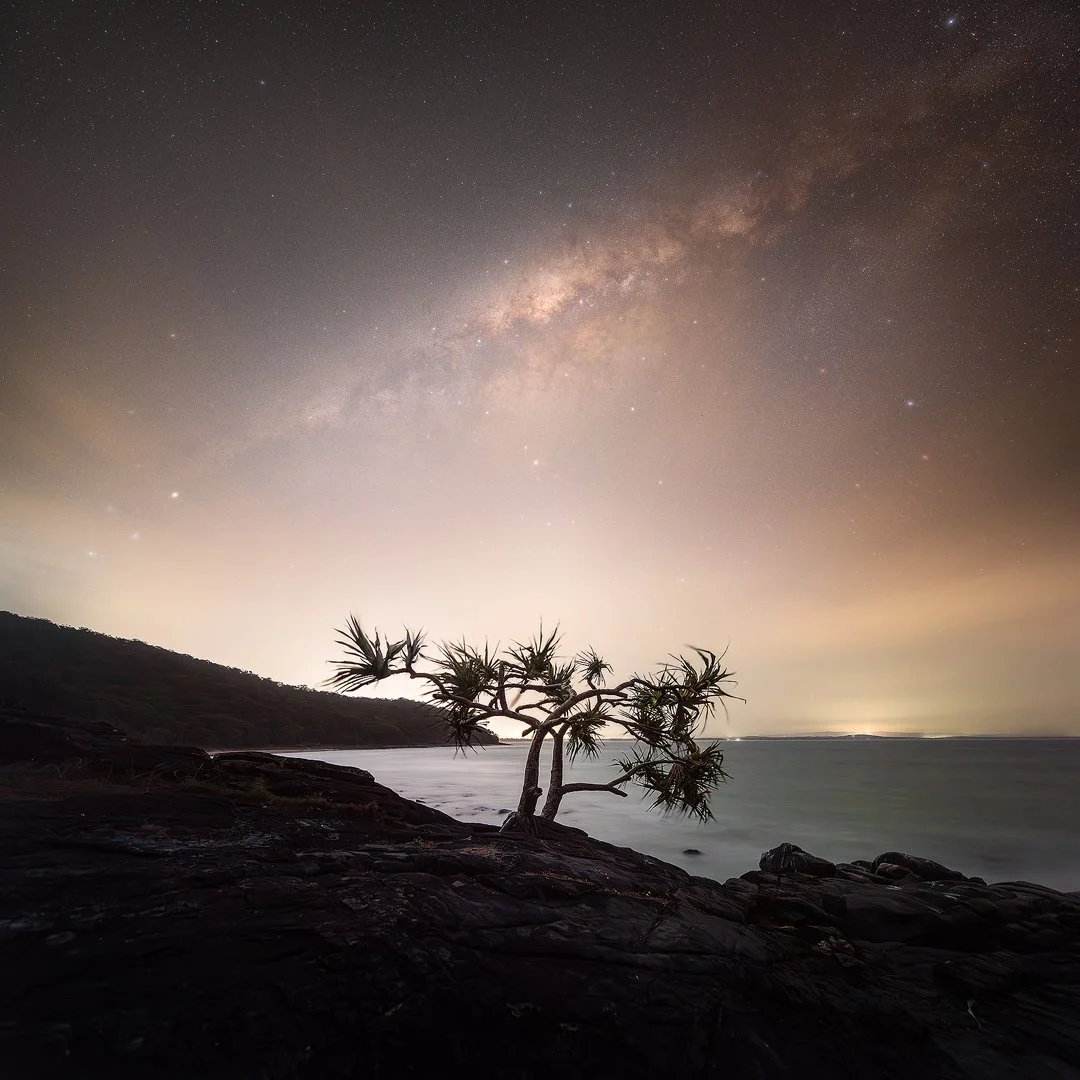
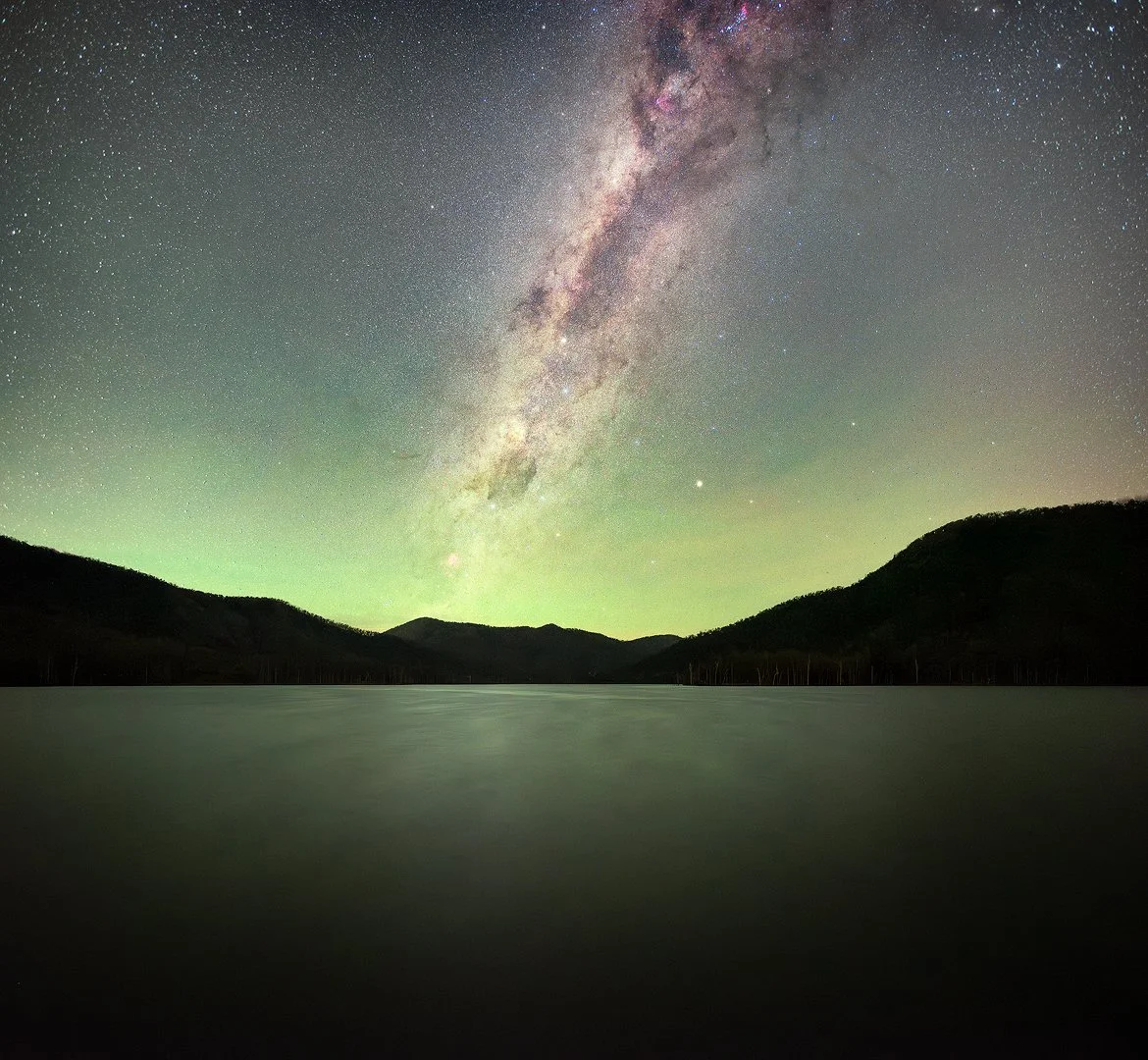
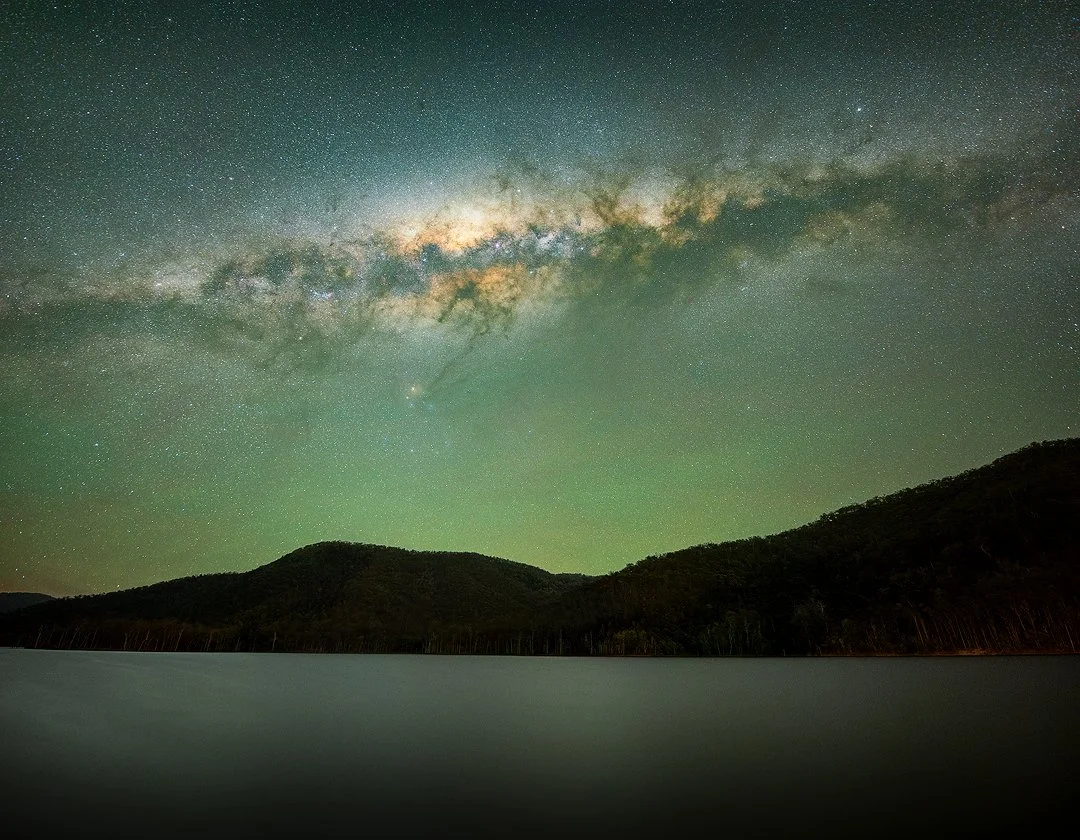
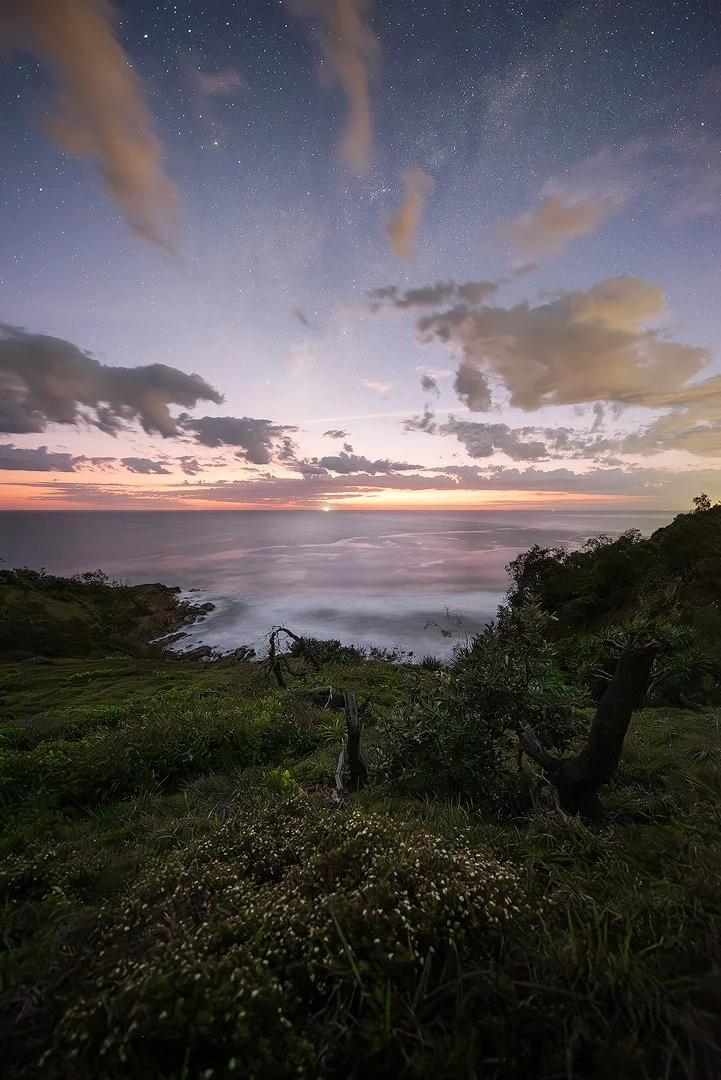
A planned sunset-to-astro session at a genuinely dark inland site: Bortle 2, west-facing, with water for foreground. We begin in daylight, refine the composition through twilight, then move into night focusing, exposure, foreground strategy and Milky Way capture when skies are clear.
Built around the light, not a fixed timetable
The workshop follows a conditions-led field-to-edit rhythm. The exact locations and order flex with light, cloud, tide, swell and sky clarity. What stays consistent is the process.
Field session
A sunrise or morning shoot at the location the conditions favour that day.
Edit your own files
A three-hour Lightroom and Photoshop block on your own images in our air-conditioned Maroochydore editing facility. Days 2 to 4.
Rest & plan
Recovery, review, and planning the evening around the light and the sky.
Sunset or dark sky
An evening field session, then dinner and debrief. Rest is protected before the Borumba night.
Editing in Maroochydore. Daily Lightroom and Photoshop sessions run on Days 2 to 4 in a comfortable, air-conditioned indoor facility in Maroochydore, presented live on a large wall-mounted display so every step is easy to follow. You consolidate what you shot the evening before on your own files, with live feedback on what's working and what isn't. You're not waiting until you get home to figure out your workflow — you're building it in real time.
Plan the photograph, capture it deliberately, review the result, and carry it through to a finished edit. Four days of that cycle is what turns a good week of shooting into a workflow you can run on your own, anywhere, from memory.
Location pool
We draw each session from the strongest locations in the region, chosen on the day for the best light, cleanest conditions and safest workable angle. You won't shoot all of them: you'll shoot the best of them. All activity stays within approved public-use areas, on formed tracks, constructed lookouts and maintained surfaces.
Volcanic peaks
- Mt Ngungun Summit — the hero sunrise over the plugs (weekday session)
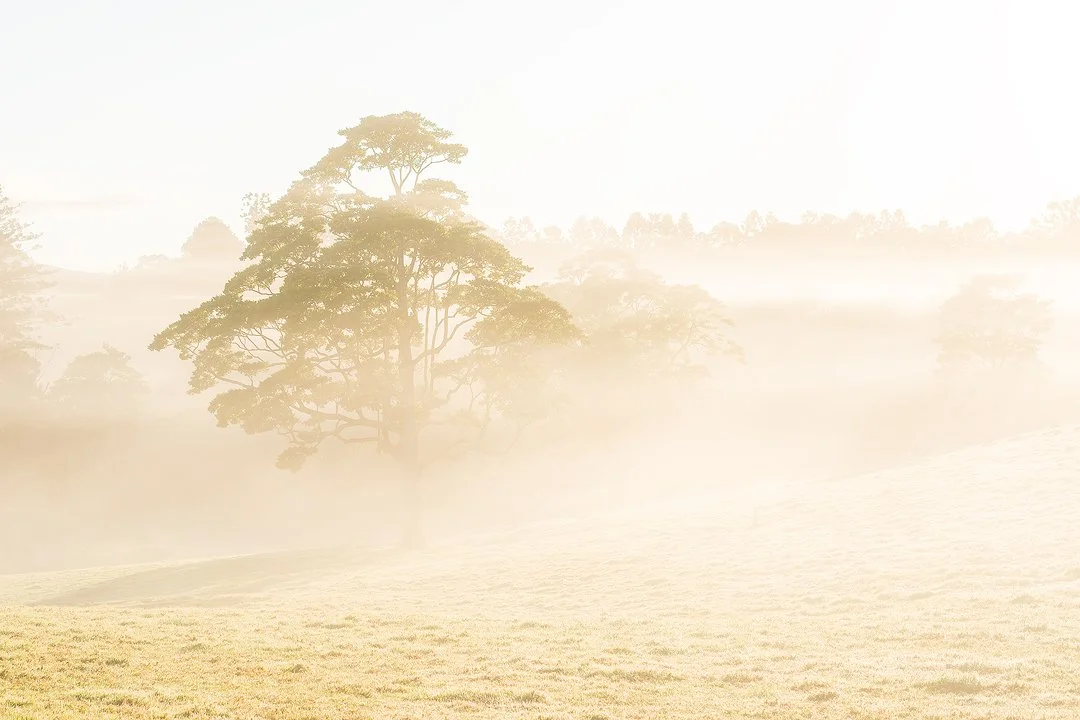
- Maleny hinterland outlook — elevated views over the range, sunrise or sunset
- Wild Horse Mountain lookout — accessible Glass House outlook when conditions favour it
QPWS-permitted commercial sessions. Ngungun runs weekdays only, outside peak periods, no wet-weather access.
Rainforest + waterfalls
- Kondalilla Falls Circuit — the anchor waterfall session
- Picnic Creek Circuit — alternate rainforest option
- Shutter control, forest texture, polariser work
- Formed tracks and constructed lookouts only
QPWS-permitted. Daylight hours, weekdays outside peak periods. Two permitted circuits means the rainforest session runs even when one track doesn't.
Coast
- Point Arkwright — coastal rock structure (sunrise)
- Noosa National Park headland — Tea Tree Bay, Boiling Pot, Hell's Gates (sunrise or sunset)
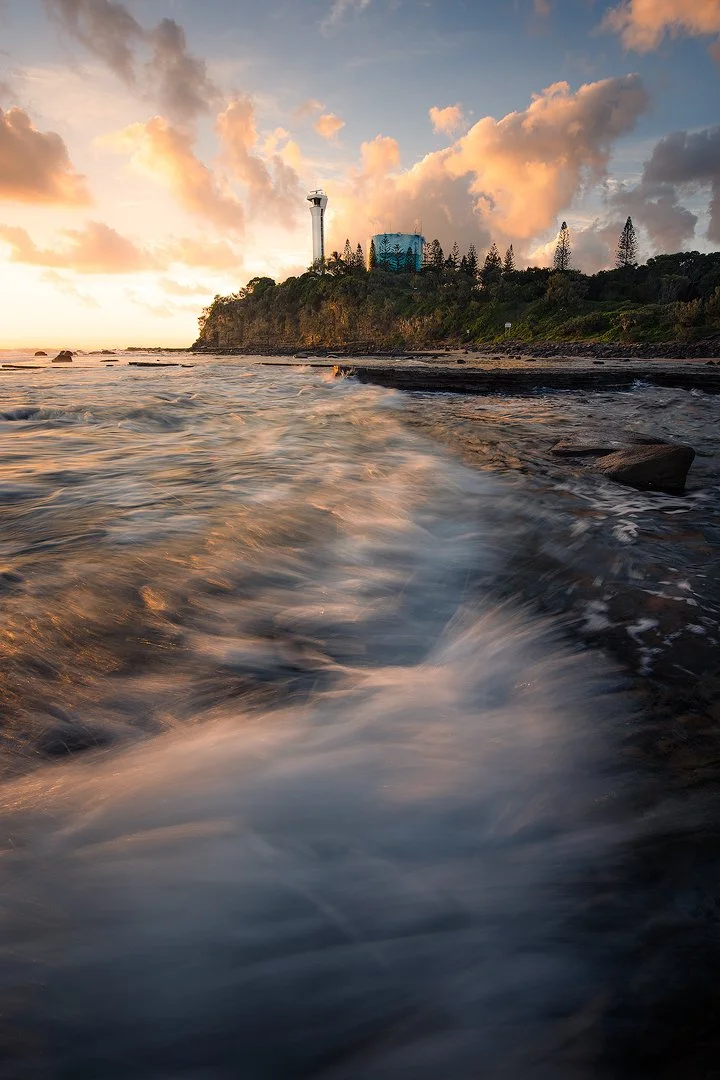
- Point Cartwright — lighthouse headland and exposed coast (sunrise)
- Pincushion Island, Mudjimba — a clean coastal subject under the right sky (sunrise)
Noosa NP sessions run under the QPWS permit with approved beach stair access only. Chosen each session around tide, swell and wind.
Dark sky — Borumba Dam
- Bortle 2, west-facing, with water for foreground
- Sunset into twilight, then the Milky Way when skies are clear
- Darker skies than the coast
- Self-drive with a clear meet plan, timing notes and safety brief
Seqwater permitted. Astro is conditions dependent. If cloud blocks the sky, we work the full night workflow on downloadable Milky Way RAW data from a clear night — the learning transfers regardless.
What you'll come home with
- A repeatable seascape workflow for any coast: exposure, timing, shutter choices
- Confidence shooting peaks and compression, not just wide coastal scenes
- Rainforest and waterfall technique: texture, light management, motion control
- A reliable night focus and Milky Way setup routine that transfers anywhere
- A Lightroom and Photoshop workflow you can run at home from memory
- The planning process behind it all: reading tide, swell, wind, cloud and moon
Who this is for
- Keen beginners through to advanced photographers refining their workflow
- Anyone who wants genuine range: peaks, rainforest, coast and dark sky, not a single look
- Photographers who want to understand the decisions so they can repeat the results on their own
Not a fit if…
- You want someone to compose and set up the shot for you
- You expect guaranteed astro or specific conditions regardless of weather
- You can't manage sustained steps and uneven ground in low light
What's included
- Guided field sessions across peaks, rainforest, coast and dark sky
- A planned Borumba Dam sunset-to-astro field session, conditions permitting
- Three-hour indoor Lightroom and Photoshop editing blocks (Days 2 to 4) at our air-conditioned Maroochydore facility, presented live on a large wall-mounted display while you work on your own files
- Personal critique and a tailored next-steps plan
- Checklists, cheat sheets and pre-workshop gear advice
- Post-workshop email support
- Pre-workshop guidance on filters and tripods, with access to NiSi and Leofoto reseller pricing
- Permits and permissions handled — QPWS, Sunshine Coast Council and Seqwater covered
- $20M public liability insurance
Not included
- Accommodation (self-booked; Maroochydore or another central Sunshine Coast base is recommended, with editing sessions held in Maroochydore; arrive Wednesday evening for the pre-dawn Thursday start)
- Meals and personal expenses
- Transport (self-drive with clear meeting points; convoy for hinterland and night)
- Adobe Creative Cloud subscription
Logistics
- Self-drive — clear meet points provided after booking
- Glass House, Kondalilla and Borumba sessions require your own vehicle (convoy arranged)
- For the Borumba night session, you'll get a driving plan, timing notes and a safety brief
- 48–24 hours before each session: a conditions update (tide / swell / wind / cloud / moon) and current Plan A / Plan B
Gear you'll need
- Camera with manual controls (any brand)
- Sturdy tripod — non-negotiable for long exposure and astro
- Wide-angle lens (14–24mm ideal for astro and seascapes)
- A short telephoto (70–200mm), important for peak compression at Ngungun
- Polariser useful for Kondalilla; other filters helpful, not required
- Spare batteries, lens cloth and a headtorch with a red mode for night sessions
- Closed shoes with grip, warm layers and water
- Laptop with Lightroom Classic strongly recommended for editing sessions
Fitness and access
You'll need to be comfortable carrying your camera gear on uneven walking tracks, in darkness, and around coastal terrain. Mt Ngungun is a sustained uphill summit walk; Kondalilla involves numerous steps and a longer rainforest circuit. Moderate fitness, secure footwear and confidence moving with a headtorch are all you need. No technical climbing is involved.
Not a fit if: you want guaranteed astro regardless of cloud, can't manage uneven ground and steps, or are uncomfortable near coastal edges. If you have any mobility, balance, fitness or access concerns, email before booking and I'll tell you plainly if it's a good fit.
Pricing
- AU$2,950 per photographer
- AU$750 deposit secures your place
- Balance due 30 days before the start date (full payment if booking within 30 days)
- Payment plans available on request
- Maximum 4 photographers — small group
Before you commit
Questions before you book? Email and I'll tell you plainly if it's a good fit. This is a teaching workshop for photographers who want to understand the decisions and take their own frames, not a step-by-step tour.
All participants read and acknowledge the Participant Risk Acknowledgement as part of booking.
What past participants say
Real feedback from recent workshops.
"I recently completed Dylan's landscape and astrophotography masterclass on the Sunshine Coast and absolutely loved every minute of it. The small class size made such a difference. His patience and genuine passion for helping others improve is what really stood out. I walked away feeling far more confident using my camera, especially in low-light and night conditions."
"I've done quite a few workshops with Dylan now, and I keep coming back for good reason. The planning that goes into finding the right locations at the right time for the best light is exceptional — nothing is left to chance. And the Milky Way sessions? Absolutely fantastic. Dylan sets the bar high and consistently clears it."
"Before the workshop, my approach was simple — just take the shot. Now it's all about planning, preparation, and waiting for the light. Understanding light as the most fundamental element of composition was the real revelation, along with the discipline of arriving early to set up properly. The total experience will exceed expectations."
FAQs
Direct answers before you book.
Do you take the photo for me?
Is the itinerary fixed?
What makes this different to a standard coastal workshop?
Will we definitely shoot the Milky Way?
How much editing is included?
How fit do I need to be, and what terrain should I expect?
You don't need to be an experienced hiker, but you should be comfortable moving independently across natural terrain and staying on your feet for a few hours. If you have any mobility, balance, fitness or access concerns, please email before booking. All participants read and acknowledge the Participant Risk Acknowledgement as part of booking.
Do I need to know manual mode?
Is accommodation or transport included?
Do I need a tripod and filters?
Are the permits in place?
What if the weather is bad?
Is the workshop insured?
Peaks, Coast & Dark Sky. October 2026.
Volcanic plugs at Ngungun, rainforest at Kondalilla, headland seascapes and Noosa light, and a dark-sky Milky Way session at Borumba Dam. Four environments, one complete workflow, maximum four photographers. AU$750 secures your seat.
The last multiday workshop on the Sunshine Coast for 2026. *Astro sessions are weather and conditions dependent. If skies don't cooperate, the full workflow is still taught using downloadable Milky Way RAW data captured on a clear night.